

Afraid of Monsters: Director's Cut (2007)
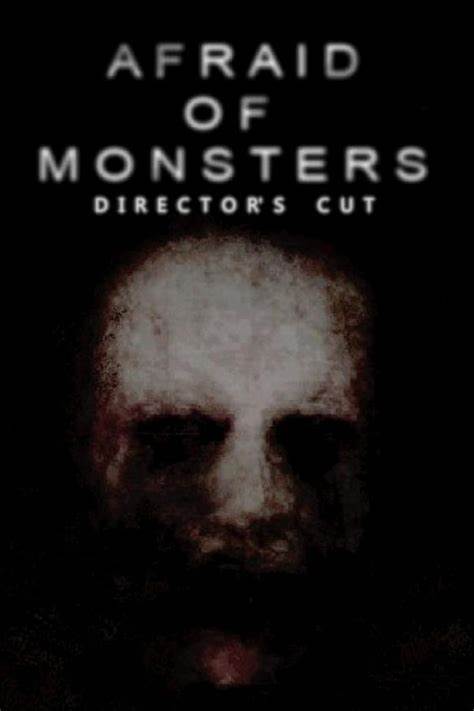
Description
In the psychological horror game Afraid of Monsters: Director's Cut, players assume the role of David Leatherhoff, a man trapped in the torment of his own mind. Struggling with an addiction to a mysterious drug, David's life spirals out of control as he battles his inner demons. What begins as a routine visit to seek professional help at Markland Hospital soon descends into a nightmare filled with dark illusions and terrifying visions.
David's descent into madness is sparked by his addiction to a powerful substance. As he takes the drug, he begins experiencing vivid hallucinations and distorted dreams that push him to confront his most profound fears. The drug blurs the lines between reality and nightmare, causing David to question what is real and what is merely a figment of his fractured mind. The game's narrative is a harrowing journey through David's subconscious, where each step forward leads to deeper horrors and self-doubt.
The journey begins with David's decision to go to Markland Hospital, hoping to find relief from his mental torment. However, before reaching the hospital, David is drawn to a bathroom where another bottle of pills awaits him. The sight of the pills becomes a haunting temptation, a symbol of his addiction that is nearly impossible to resist. This moment serves as the game's first significant choice, showcasing David's internal struggle between seeking help and falling further into the grip of his drug dependency.
As David ventures deeper into the hospital, he encounters a series of unsettling scenarios that reflect the horrors lurking within his psyche. The environment is eerie and oppressive, designed to make the player feel trapped and disoriented. The hospital itself seems to take on a life of its own, its dimly lit corridors and strange inhabitants becoming a manifestation of David's own fears. The tension in the game rises steadily as each new encounter seems more surreal and disturbing than the last, further blurring the line between fantasy and reality.
The game's narrative is carefully crafted to explore themes of addiction, mental illness, and the fear of losing control. David’s journey is not just one of physical survival, but also of emotional and psychological endurance. The more the player uncovers about David’s past and his struggle with addiction, the more intense the atmosphere becomes. The hospital represents both a place of potential healing and a distorted reflection of David's troubled mind. This duality keeps players on edge, never quite sure if the horrors they face are real or merely figments of David's tortured imagination.
What sets Afraid of Monsters: Director's Cut apart from other horror games is its ability to evoke a sense of unease through its psychological storytelling. Rather than relying on jump scares or grotesque imagery alone, the game creates a constant feeling of dread through its atmosphere and narrative. The player's decisions, as well as their interpretation of the events unfolding, shape the course of David’s journey and ultimately influence the outcome. There is no clear distinction between what is happening to David and what he perceives, making every moment a tense and unpredictable experience.
The game's design is minimalist yet effective, using limited resources to its advantage. The lack of overt action and the focus on psychological horror help build a deeply immersive experience. Players are constantly challenged to reconsider what they see and hear, adding layers of complexity to the game. The Director's Cut edition enhances the original experience, offering refined visuals and gameplay that make it even more engaging for fans of the genre.
Ultimately, Afraid of Monsters: Director's Cut is an exploration of the human mind under extreme duress. It forces players to confront not just the external horrors that David faces, but also the internal battles that rage within him. The game invites players to question their own perceptions of reality, addiction, and fear, making for an experience that lingers long after the screen goes dark.