

Bishoujo Senshi Sailor Moon: Another Story (1996)
Description
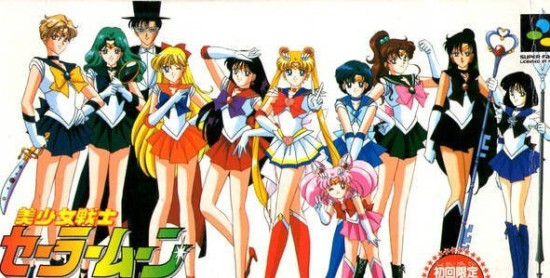
Bishoujo Senshi Sailor Moon: Another Story is a role-playing video game originally released for the Super Nintendo Entertainment System (SNES). The game was published by Angel and officially launched on September 22, 1995. Set within the universe of the iconic Sailor Moon franchise, it provides a distinct storyline separate from the main anime series, allowing players to explore new narratives while retaining familiar characters and themes.
Gameplay and Mechanics
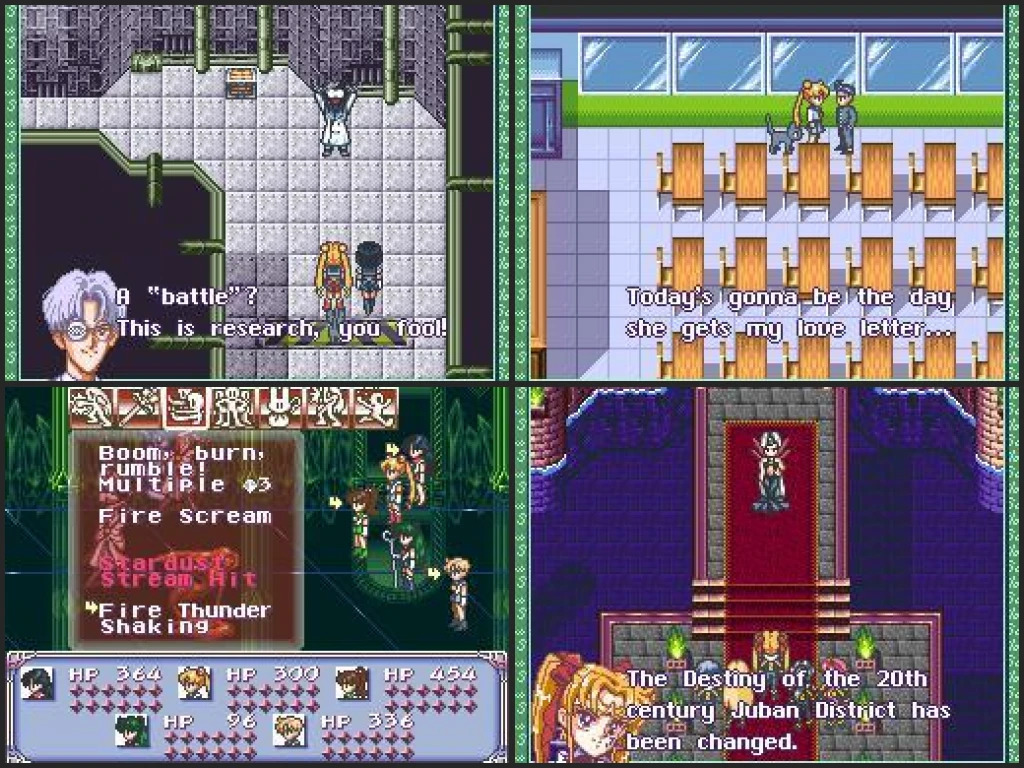
As a traditional turn-based RPG, Sailor Moon: Another Story emphasizes strategic combat and character development. Players control multiple characters from the Sailor Moon series, each equipped with unique abilities and magical attacks. The game allows for team customization, enabling different combinations of Sailor Guardians to face various enemies. Combat requires careful management of health points, special powers, and tactical positioning to defeat foes efficiently. In addition, the game includes exploration elements, where players navigate towns, dungeons, and other environments to complete quests, gather items, and advance the storyline.
Story and Setting
The narrative of Another Story is set after the events of the original Sailor Moon series, presenting an entirely new plotline with original villains and challenges. The story focuses on a mysterious threat that emerges in the Sailor Moon universe, requiring the protagonists to investigate and combat the danger. Players follow the journey of the Sailor Guardians as they uncover secrets, interact with non-playable characters, and solve problems across various locations. The plot is structured to maintain engagement through episodic events, dialogue-driven character development, and progressive difficulty.
Characters
The game features many beloved characters from the Sailor Moon franchise, including Usagi Tsukino (Sailor Moon), Ami Mizuno (Sailor Mercury), Rei Hino (Sailor Mars), Makoto Kino (Sailor Jupiter), and Minako Aino (Sailor Venus). Each character has distinct magical attacks, stats, and growth potential. Players can switch between characters during battles, enabling strategic use of different abilities. The interaction between characters also enriches the story, providing insight into relationships, personalities, and motivations within the group.
Graphics and Audio
Utilizing the capabilities of the SNES, Sailor Moon: Another Story presents vibrant 16-bit graphics with detailed character sprites and varied environments. Towns, dungeons, and battle scenes are visually distinct, contributing to the immersive experience. The soundtrack complements the gameplay with musical themes inspired by the anime series, enhancing both exploration and combat sequences. Sound effects are used to signify attacks, character actions, and event triggers, providing audio feedback that aligns with player interactions.
Game Progression
Progression in Another Story is achieved through completing battles, advancing the story, and upgrading characters’ abilities. Players gain experience points from defeating enemies, which allow characters to level up and acquire new skills. Items collected during exploration can restore health, boost stats, or unlock new abilities. The game’s structure encourages methodical planning, as players must decide the optimal order of challenges and team configurations to succeed in more difficult encounters.
Legacy
Bishoujo Senshi Sailor Moon: Another Story holds a notable position among Sailor Moon games due to its distinct narrative and RPG mechanics. It allows fans to experience the universe beyond the anime series while providing a gameplay experience typical of mid-1990s Japanese role-playing games. Its combination of story-driven exploration, turn-based combat, and character interaction has contributed to its enduring recognition among enthusiasts of the franchise and retro gaming communities alike.