

Room 301 NO.6 (2022)
Genres: SimulationIndie
Tags:
SingleplayerRPG2DSplit ScreenDungeon CrawlerStylizedHand-drawnEmotionalImmersive SimPsychologicalText-BasedLife Sim
| PC |
Released: 2022-09-20Requirements
|
Description
Overview
Room 301 NO.6 is a game designed to provide players with a firsthand understanding of the cognitive challenges faced by individuals living with Alzheimer’s disease. By combining maze-navigation gameplay with realistic depictions of memory impairment, the game aims to simulate the daily experience of someone coping with this condition. Players are guided through carefully designed environments that reflect the mental state of an Alzheimer’s patient, emphasizing both the need for support and the emotional depth of memory recollection.
Gameplay Mechanics
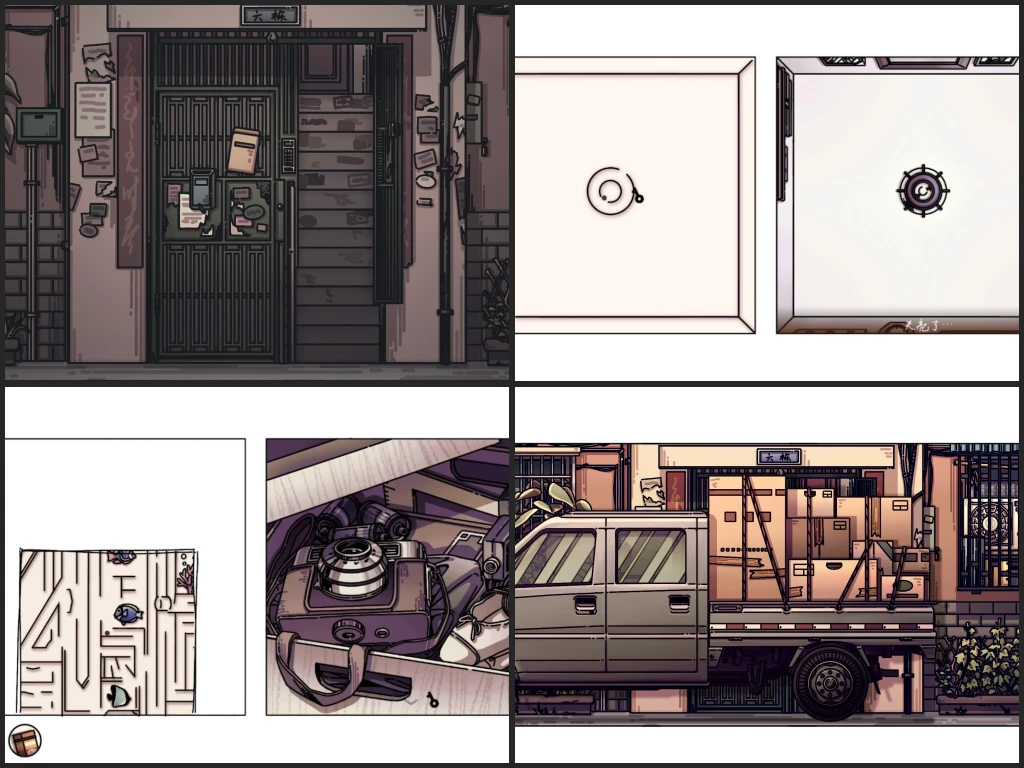
The game incorporates a dual-perspective system to enhance immersion. On the left side of the screen, players navigate through a maze using standard movement controls (WASD), while the right side displays a simultaneous view of the surrounding environment. Interaction with objects is performed through simple mouse clicks, allowing players to examine items in detail. This setup emphasizes the fragmented perception characteristic of Alzheimer’s, where understanding the world requires active attention and guidance.
Players are also tasked with managing cognitive impairment through the collection and use of in-game items. Pill Bottles can be found throughout the maze, and when used, they temporarily counteract cognitive decline, slightly expanding the player’s field of view. This mechanic simulates the small but meaningful interventions that help those with Alzheimer’s maintain a degree of clarity and awareness.
Memory and Collection
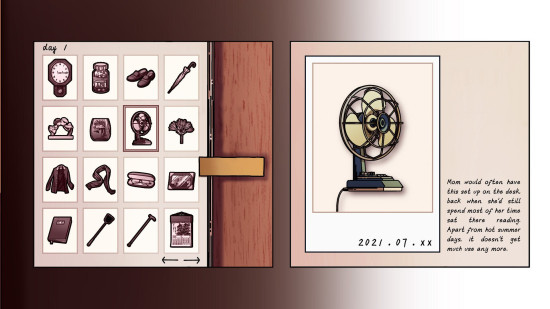
A key aspect of the game involves collecting items of personal significance. Each day, players must find four critical objects that hold deep emotional meaning. These items serve as triggers to relive memories, allowing players to experience the narrative of a life gradually impacted by Alzheimer’s. The relationship between the player and the character’s Daughter provides an additional layer of support and interaction, reflecting the real-life importance of guidance and connection in managing cognitive challenges.
Visual and Emotional Design
Room 301 NO.6 utilizes blurred and shifting boundaries in its visual design to replicate the perceptual difficulties associated with Alzheimer’s. These effects create an environment where familiar objects and spaces may appear distorted, emphasizing the disorientation and uncertainty often experienced by patients. The game’s goal is not only to challenge players with a maze-based system but also to foster empathy and understanding through carefully constructed visual cues.
Purpose and Impact
The developers of Room 301 NO.6 aim to offer more than just gameplay; they strive to create a meaningful insight into the daily realities of Alzheimer’s. By experiencing the challenges of memory loss and cognitive confusion, players are encouraged to consider the perspectives of those affected by the disease. The game emphasizes observation, reflection, and emotional engagement, guiding users through a process of rediscovery and memory preservation alongside the character and their Daughter.
Through its detailed simulation of cognitive impairment and memory exploration, Room 301 NO.6 provides a unique educational and emotional experience. It invites players to navigate both literal and metaphorical mazes, understand the significance of guidance, and reconnect with the personal histories of those living with Alzheimer’s, fostering awareness and empathy in the process.