

Dice Tribes: Ambitions (2022)
Genres: Strategy
Tags:
SingleplayerBoard GamesolitaireDice
| Web | |||||||||||||||||||
| macOS |
Released: 2022-06-15Requirements
|
||||||||||||||||||
| PC |
Released: 2022-06-15Requirements
|
||||||||||||||||||

Description
Dice Tribes: Ambitions is a strategy-based dice worker placement game that challenges players to manage and expand small tribal communities. Each participant begins with a limited number of villagers and must carefully allocate their resources to grow their tribe, develop infrastructure, and achieve specific ambitions. Players must navigate both opportunities and threats that arise throughout the game, sending villagers to address various tasks and challenges in order to advance their tribe.
Gameplay Overview
In Dice Tribes: Ambitions, players are tasked with effectively managing a tribe from its early stages. Each turn involves strategic decision-making, as villagers are assigned to different activities that can influence the tribe’s growth and success. The goal is to complete one of the selected ambitions, which requires thoughtful planning and careful management of available villagers. The game presents dynamic scenarios where risks and rewards coexist, demanding constant attention to the evolving state of the tribe.
Tribe Selection
The game offers a selection of six distinct tribes. Each tribe comes with its own unique village layout and building options, providing diverse gameplay experiences. Choosing the right tribe is crucial, as it determines available strategies, building options, and the optimal way to approach ambitions. Understanding the strengths and limitations of each tribe is an essential aspect of the game’s strategic depth.
Village Construction
Players have access to more than fifteen different structures that can be built to support the tribe’s growth and progress toward ambitions. Each building serves a specific purpose, influencing resource generation, village efficiency, or the ability to complete objectives. Constructing these buildings at the right time and in the appropriate sequence is key to successfully managing the tribe and advancing toward the chosen ambition.
Ambitions and Objectives
Dice Tribes: Ambitions allows players to select from multiple ambitions, including some that remain hidden at the start of the game. Each ambition sets a clear objective for the tribe to achieve and guides players in their decision-making. Successfully completing an ambition requires balancing the deployment of villagers, building infrastructure, and responding to emerging threats and opportunities within the game environment.
Draft Mode and Challenges
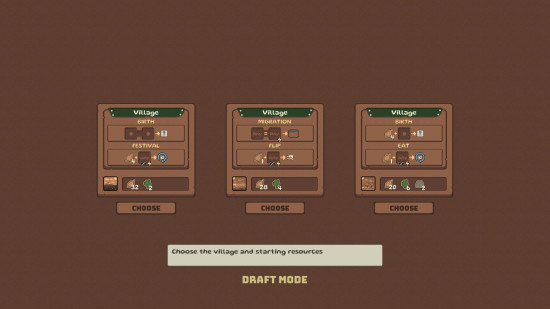
The game includes a draft mode designed to introduce additional restrictions and challenges, forcing players to adapt their strategies. This mode requires careful planning and flexibility, as the limitations imposed can significantly influence the tribe’s development and the approach needed to complete ambitions. Draft mode adds replayability and depth, ensuring that each session presents a unique set of tactical decisions and obstacles.
Strategic Considerations
Players must constantly evaluate risks and rewards, deciding how to allocate villagers effectively. Each decision impacts the tribe’s progress and ability to achieve ambitions, creating a continuous cycle of planning, execution, and adjustment. The game emphasizes resource management, careful construction, and strategic foresight, making it a complex yet rewarding experience for those who enjoy tactical board games.
Conclusion
Dice Tribes: Ambitions (2022) combines dice-based mechanics, worker placement strategy, and village management to deliver an engaging and thoughtful gaming experience. With multiple tribes, diverse building options, hidden and visible ambitions, and the challenging draft mode, it provides players with a rich and strategic environment to test their planning and decision-making skills. Each game session offers unique opportunities and challenges, ensuring that no two plays are exactly alike, and highlighting the importance of careful strategy and adaptive thinking.