

Torneko's Great Adventure: Mystery Dungeon (1993)
Description
Torneko's Great Adventure: Mystery Dungeon, originally released in Japan as Torneko no Daibōken: Fushigi no Dungeon, marks the inaugural entry in the long-running Mystery Dungeon series. This title introduces players to a unique roguelike experience, combining turn-based exploration with a focus on strategic item management and dungeon navigation.
Main Character
The game centers on Torneko, a merchant character known as Taloon in the North American release, who originally appeared in Dragon Warrior IV. Torneko embarks on his adventure primarily motivated by the desire to acquire valuable items and expand his wealth. Players follow his journey through a series of procedurally generated dungeons, each offering new challenges, monsters, and treasures.
Gameplay Mechanics
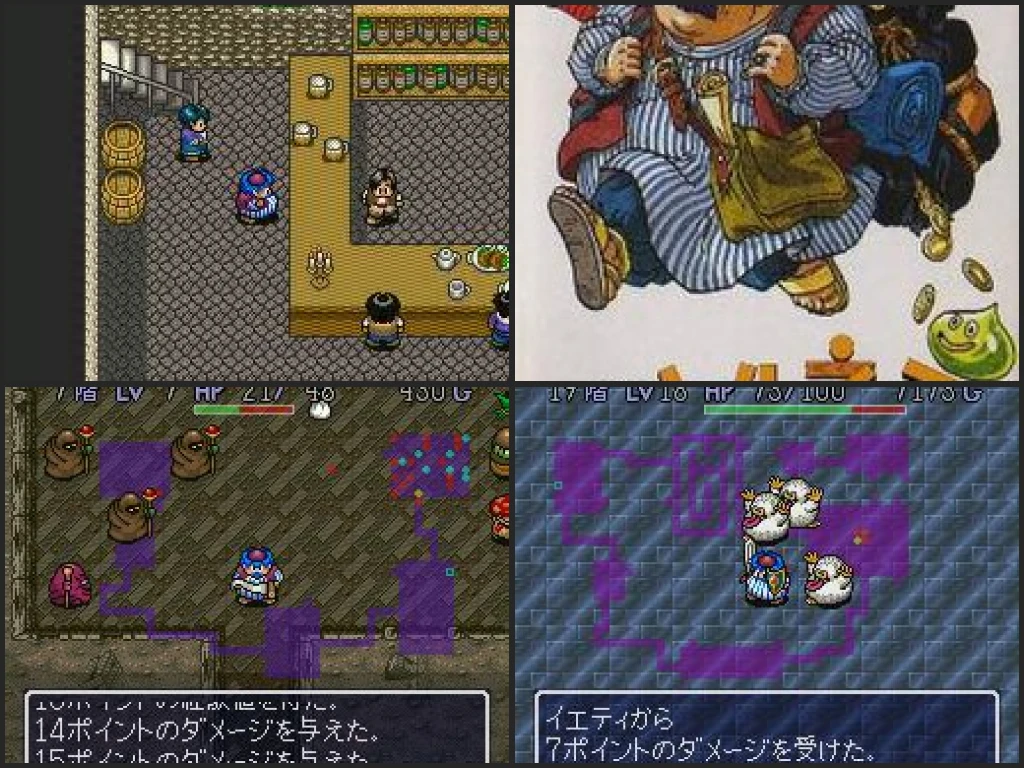
The gameplay of Torneko's Great Adventure emphasizes exploration and careful planning. Dungeons are constructed randomly with each visit, ensuring that no two playthroughs are identical. Players must manage inventory space, select the right items, and navigate traps while combating a variety of creatures. Combat is turn-based, requiring thoughtful positioning and tactical decision-making to progress safely through each dungeon level.
Items play a critical role in the game. From healing potions to powerful weapons, managing Torneko's inventory effectively can mean the difference between success and failure. The game encourages experimentation with different strategies and item combinations to overcome increasingly difficult dungeon floors. As Torneko advances, players gain access to more complex dungeons with stronger enemies and rare loot.
Series Significance
As the first entry in the Mystery Dungeon franchise, Torneko's Great Adventure set the foundation for numerous sequels and spin-offs. The title introduced the core elements that would define the series: procedurally generated dungeons, turn-based combat, item-focused strategy, and permadeath mechanics, where players risk losing progress upon defeat. These features created a distinctive gameplay loop that has influenced later roguelike titles both within and outside the series.
Visuals and Presentation
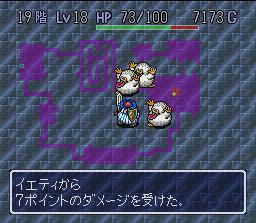
The game features a traditional 16-bit graphical style, consistent with early 1990s role-playing games. Characters, enemies, and dungeon environments are rendered with simple yet recognizable designs, providing clear visual feedback for player actions. Despite its technical limitations, the visual presentation effectively communicates essential gameplay information, allowing players to focus on strategy and planning.
Legacy and Influence
Torneko's Great Adventure: Mystery Dungeon remains a notable entry in gaming history as the origin of a successful franchise. Its combination of dungeon exploration, turn-based combat, and item management created a template that has been expanded upon in subsequent Mystery Dungeon games. The game's focus on strategic decision-making and replayability through randomly generated levels continues to be a hallmark of the series.
Conclusion
Overall, Torneko's Great Adventure: Mystery Dungeon offers players a challenging and engaging experience rooted in strategic dungeon exploration. As the first Mystery Dungeon title, it established essential gameplay mechanics and a structure that would define the series for decades. Following Torneko on his quest through unpredictable dungeons, players encounter a blend of risk and reward, emphasizing careful planning, resource management, and tactical thinking in a turn-based framework.