

Lost Scavenger (2022)
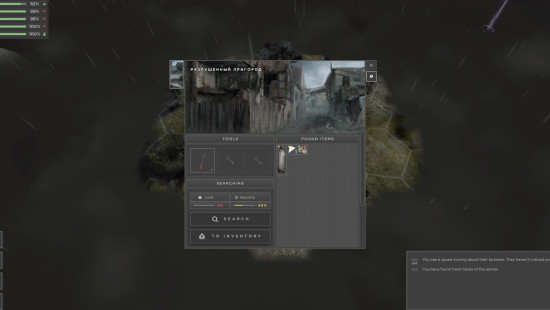
Genres: AdventureRPGStrategySimulationIndie
Tags:
SingleplayerRPGOpen WorldExplorationSandboxSurvivalEarly AccessCharacter CustomizationPost-apocalypticRealisticCraftingRoguelikeTop-DownLootTurn-Based CombatPerma DeathChoose Your Own AdventureTactical RPGHex GridПостапокалипсисLife SimMedical Sim
| PC |
Released: 2022-01-18Requirements
|
Description
Core Gameplay and Survival
In this hardcore open-world survival game, every decision matters. Players must contend with limited resources, environmental hazards, and unpredictable threats while navigating a post-apocalyptic landscape. The world is populated by small enclaves of survivors scattered throughout ruined territories. The game challenges you to assess your surroundings carefully, plan your actions, and make every move count, as your character has only one life. Death is permanent, emphasizing the game’s unforgiving nature.
World Design
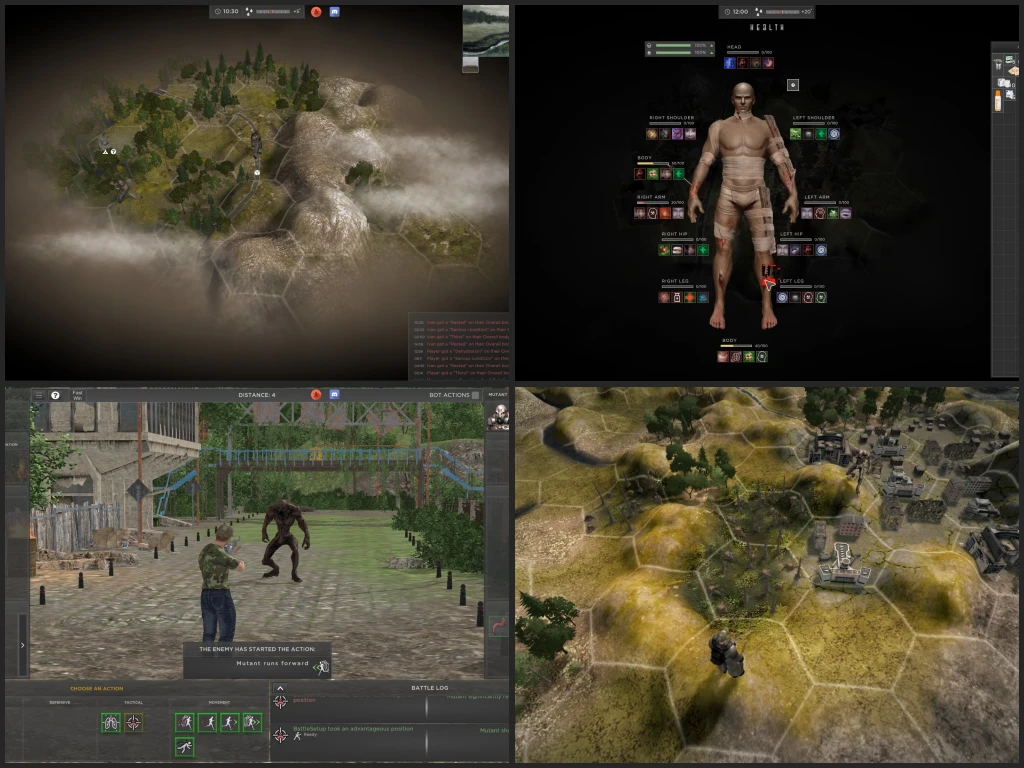
Lost Scavenger features a unique, randomly generated world that ensures every playthrough is different. Players will encounter a variety of biomes, weather conditions, quests, and survivor enclaves, making exploration both unpredictable and rewarding. The dynamic simulation responds to the player’s choices, and you can opt to follow the storyline or simply explore the environment to create your own narrative. Travel is managed via a hexagonal map, where terrain, altitude, and daylight directly influence visibility.
Character Development and Abilities
The game avoids traditional RPG elements such as leveling, experience points, or skill trees. Instead, success relies on player skill and decision-making. At the beginning of each new game, you can define your character’s strengths and weaknesses, and as you progress, traits can be unlocked that grant new abilities and dialogue options. Additionally, the Mist can induce mutations in your character, altering limbs or organs and producing unexpected effects that can be either beneficial or detrimental.
Combat and Tactics
Encounters in Lost Scavenger demand tactical awareness. Combat involves realistic damage mechanics, including locational damage, bleeding, infections, and the effects of painkillers. Players can employ stealth, camouflage, ambush strategies, and scouting to gain advantages. Hunting offers resources for food and crafting, and lockpicking skills can provide access to hidden stashes of valuable items. The environment and creatures are not static; AI-controlled animals roam, hunt, and form packs, creating both opportunities and dangers for the player.
Survival Mechanics
Survival in Lost Scavenger is deeply realistic. The character must manage fatigue, hunger, thirst, hypothermia, intoxication, and diseases. A complex crafting system allows the creation of new tools, weapons, and items using discovered recipes, while inventory management requires careful attention to weight and volume limitations. Foraging for edible plants and water sources is essential, and the use of specialized skills ensures the player avoids dangerous consumables.
Dynamic Environment and Seasons
The game world features a dynamic weather system, including temperature fluctuations, precipitation, and a full day-night cycle. Players always start in the middle of autumn, and survival until winter is a test of skill and strategy. Settlements provide opportunities to interact with other survivors, offering food, medical aid, or rest, provided the player has something to exchange. Active pause allows players to take a moment after each action to carefully assess their environment and plan their next moves.
Conclusion
Lost Scavenger combines hardcore survival, immersive simulation, and procedural generation to create a post-apocalyptic world dominated by the Mist. Every decision can mean life or death, and players must balance exploration, combat, resource management, and tactical planning to endure. The game emphasizes skill, adaptability, and strategic thinking over traditional RPG mechanics, offering a unique survival experience where each playthrough tells a new story.