

Living Metal (itch) (2021)
Description
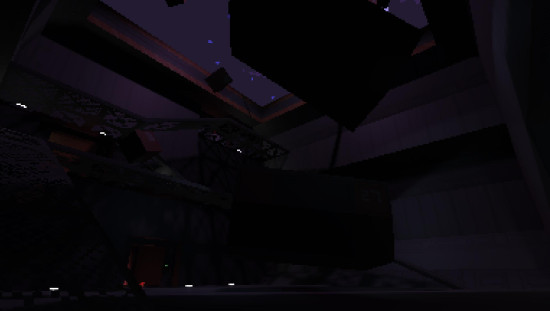
Living Metal is a first-person survival horror game developed by James Black. Released in 2021 on the Itch.io platform, the game challenges players to escape a derelict spaceship while avoiding a highly intelligent and dangerous monster. Players must navigate the environment carefully, as the ship is full of threats and the monster’s advanced artificial intelligence constantly hunts them.
Gameplay and Controls
The player navigates the spaceship using standard first-person controls. Movement is controlled with WASD, while the mouse is used to look around. Players can jump using the Space key, crouch with Left Ctrl, and walk quietly using Shift. Interaction with objects such as airlock buttons and doors is performed using the Left Mouse Button. An important gameplay element is sound management: footsteps can alert the monster to the player’s presence.
Game Design and Concept
Living Metal was created as part of a video game AI class at UNCC, developed over half a semester. The game is designed as a stylized first-person horror experience where a complex monster AI actively searches for the player. The gameplay focuses on terror, horror, and strategy. Players must evade the monster and utilize stealth, distractions, and environmental hazards to survive.
Core Mechanics
- Monster AI: The monster uses a decision-making system incorporating senses such as sight, sound, touch, and smell to track the player. A “director” AI provides guidance to prevent the monster from becoming lost, while a tension variable monitors the player’s perceived fear and can influence monster behavior.
- Stealth: Sneaking and hiding in shadows are essential survival strategies. Players must avoid detection while moving through the spaceship’s corridors.
- Environmental Hazards: The spaceship contains multiple dangers, including falling damage, toxins, and burns, which can harm the player and increase the challenge.
- Distractions: Objects can be thrown or manipulated to divert the monster, allowing the player to pass unnoticed.
- Access Restrictions: Certain areas are blocked by locked doors or power failures. Players must find tools or keycards to proceed, encouraging exploration and problem-solving.
Game Story and Setting
The narrative places the player aboard a derelict ship, initially scavenging for goods. It quickly becomes apparent that the ship is not empty. The player’s goal is to reach the escape pods while avoiding a highly alert monster. Multiple starting scenarios were planned, offering unique initial inventories for different characters, though the final release focuses on a single scavenger perspective.
Design Philosophy
The game’s structure emphasizes unpredictability and tension. The monster’s wandering patterns and ability to react to the player’s actions create constant suspense. The spaceship’s layout allows freeform movement, usually with at least two exits per room, supporting multiple escape strategies. The combination of AI-driven pursuit, environmental hazards, and limited player resources ensures a highly engaging survival horror experience.
Features Summary
- Intelligent monster AI that tracks and chases the player.
- Stealth-based gameplay requiring careful movement and hiding.
- Environmental dangers including toxins, burns, and fall damage.
- Interactive elements such as doors, airlocks, and keycards.
- Use of distractions and tools to manipulate monster behavior.
- Dynamic tension system affecting monster decisions and pacing.
- Design inspired by games such as Alien: Isolation and System Shock 2.
Development Notes
The game was created in a short development period for an academic project, focusing primarily on the AI system. Monster and environmental sounds were sourced from freesound.org, and the game uses the Draxel font from dafont.com. While not all planned features made it into the final release, the core experience delivers a suspenseful and strategic horror game that tests both the player’s wits and nerves.