

F.E.A.R. 3 (2011)
Genres: ActionShooter
Tags:
SingleplayerSteam AchievementsMultiplayerSteam CloudAtmosphericCo-opStory RichcooperativeFirst-PersonSci-fiPartial Controller SupportHorrorFPSOnline Co-OpGoreSteam LeaderboardsControllerZombiesShortMechsBullet Time
| PC |
Released: 2011-06-20Requirements
|
||||||||||||||||||||||||||||
| PlayStation 3 |
Released: 2011-03-25 |
||||||||||||||||||||||||||||
| Xbox 360 |
Released: 2011-03-25 |
Description
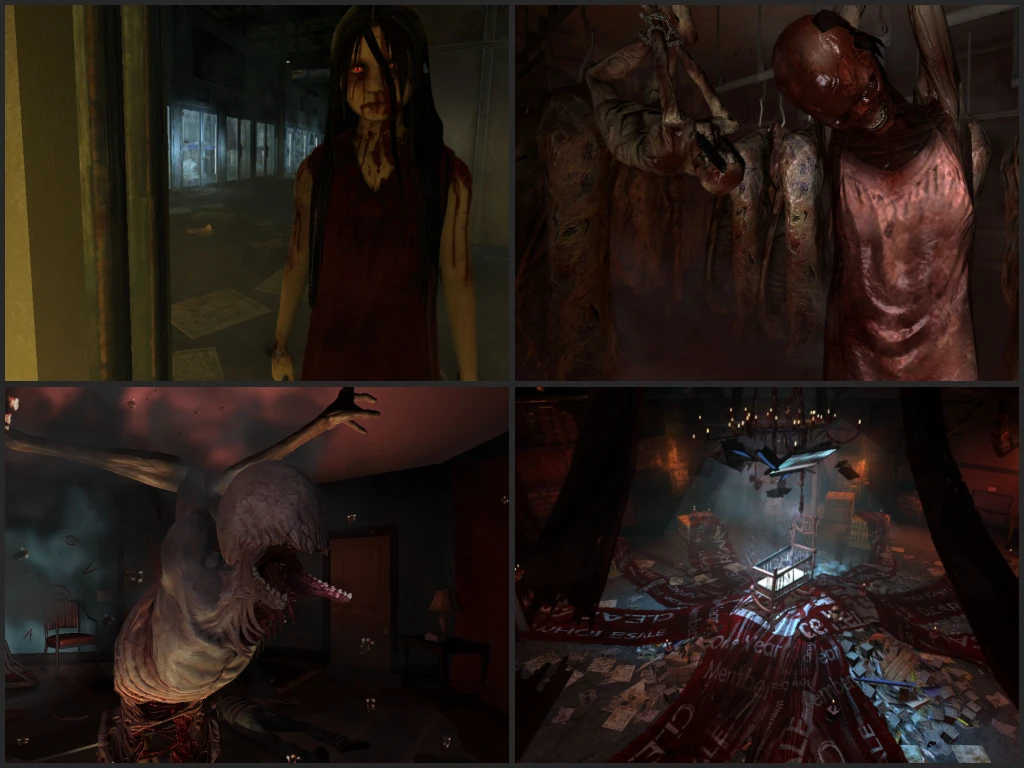
F.E.A.R. 3 is the third installment in the F.E.A.R. game series, continuing the storyline established in its predecessors. The central narrative revolves around the conflict between a specialized soldier, known as the "Operative," and a unit of genetically enhanced super-soldier clones who have defied their command. These rogue clones exhibit extreme behaviors, including acts of cannibalism, reflecting the intense and disturbing atmosphere that defines the series. The game world and characters are designed to convey a constant sense of threat, combining advanced human abilities with supernatural elements to heighten tension and challenge.
Gameplay Overview
The game is played entirely from a first-person perspective, providing an immersive experience where players directly engage with the environment and enemies. A key feature of F.E.A.R. 3's gameplay is the implementation of a slow-motion mode. This mode allows players to perceive events at an accelerated rate, making it possible to track bullets in mid-flight and respond to threats with enhanced precision. Slow-motion provides a tactical advantage by giving players more time to react during combat scenarios. Mechanically, this feature is explained as a heightened adrenaline response triggered by life-threatening situations. Naturally occurring adrenaline surges are short-lived, but the game allows players to extend this effect through the use of a special in-game stimulant item.
Character Abilities and Features
Both protagonists and antagonists possess abilities that surpass ordinary human capabilities. Some characters can take on ghostly forms, enabling them to mislead opponents and manipulate the battlefield. These abilities are carefully integrated into the game mechanics, requiring players to strategize and adapt to threats that are both physical and psychological. The combination of supernatural and enhanced physical skills creates a layered combat system that challenges players to utilize both reflexes and tactical thinking to progress.
Atmosphere and Environment
The game environment is designed to support the sense of fear and unpredictability central to the series. Settings are populated with hostile enemies and tense scenarios that demand constant awareness. Environmental storytelling, combined with sudden encounters and visions experienced by the protagonist, reinforces the feeling of danger and urgency. These visions can occasionally trigger the slow-motion mode, simulating the intense physiological response of the character under extreme stress.
Combat and Strategy
Combat in F.E.A.R. 3 requires a balance between conventional weapon use and the strategic deployment of unique abilities. Players must manage the adrenaline-based slow-motion effect to gain an edge against stronger opponents or groups of enemies. Additionally, the interplay of superhuman and supernatural skills encourages experimentation with different approaches to encounters, ensuring that combat remains dynamic and engaging. Careful observation of enemy behavior and environmental cues is essential to surviving the hostile scenarios presented throughout the game.
Unique Mechanics
The integration of adrenaline-driven slow motion and ghostly abilities distinguishes F.E.A.R. 3 from typical first-person shooters. This combination enhances both the tactical depth and the immersive quality of gameplay. By allowing temporary manipulation of time perception and the use of deceptive powers, the game challenges players to think strategically while remaining reactive in intense combat situations. These mechanics are consistently reinforced by the game’s design, which emphasizes tension, fear, and the necessity for quick decision-making under pressure.
Conclusion
F.E.A.R. 3 continues the series’ focus on combining advanced human and supernatural capabilities within a horror-driven first-person shooter framework. Its unique slow-motion mechanics, intense combat scenarios, and atmospheric storytelling create a gameplay experience centered on fear, strategy, and reflex-based skill. The game maintains the series’ reputation for challenging encounters and unsettling narratives, offering a continuation of the story that emphasizes both the physical and psychological aspects of survival in extreme conditions.
Our Verdict
F.E.A.R. 3 delivers tense, first-person action with a strong horror vibe. The slow-motion mechanic makes combat feel thrilling, letting you see every bullet and dodge attacks with style. The story of rebellious clones adds a dark, creepy atmosphere that keeps you on edge.
The game can feel intense and sometimes brutal, but that is part of its charm. If you like horror with fast-paced shooting and a few supernatural twists, this game will grab your attention and hold it. The visuals and gameplay work together to make each encounter exciting.
Overall, we recommend F.E.A.R. 3. It’s not for everyone, but for fans of tense action and horror, it’s a solid choice. Simple, scary, and satisfying.