

Tomb Raider (2013) (2013)
Genres: Action
Tags:
SingleplayerMultiplayerFull controller supportAtmosphericRPGThird PersonExplorationClassicFemale ProtagonistStealthAction-AdventureThird-Person ShooterRetroCinematicQuick-Time EventsDinosaursLara Croft
| PlayStation 3 |
Released: 2013-03-05 |
||||||||||||||
| Xbox 360 |
Released: 2013-03-05 |
||||||||||||||
| macOS |
Released: 2013-03-05Requirements
|
||||||||||||||
| PC |
Released: 2013-03-05Requirements
|
Description
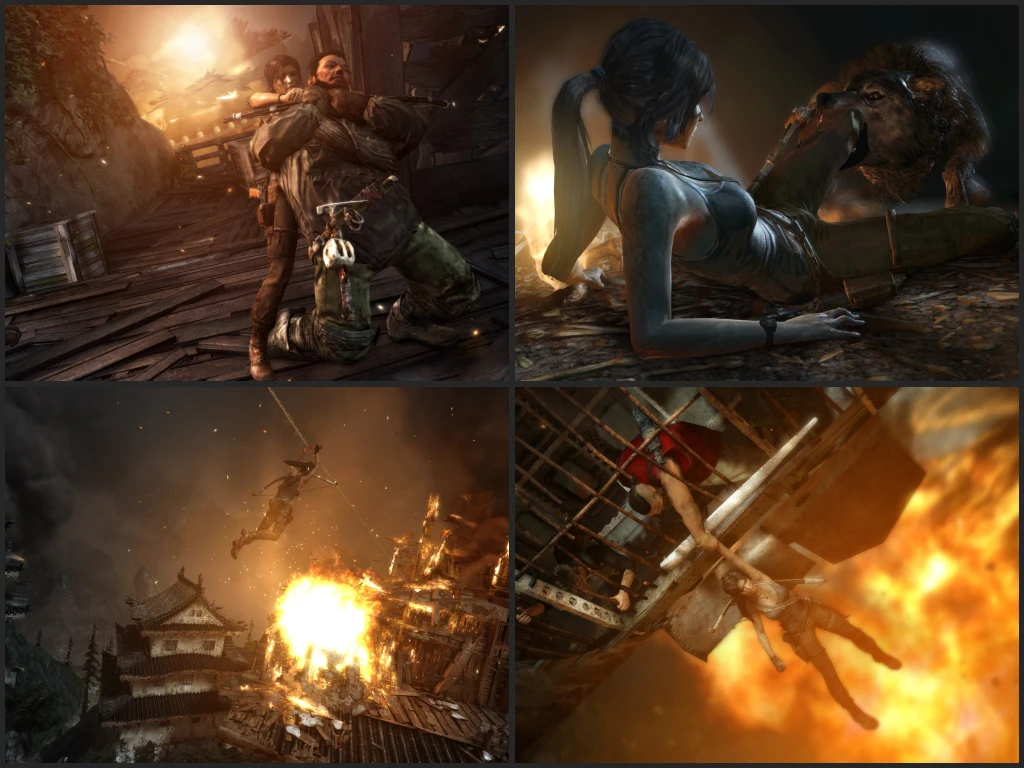
Tomb Raider (2013) presents a cinematic reimagining of the iconic franchise, bringing players into a fully realized third-person action experience. This installment focuses on the early years of Lara Croft, depicting her as a young and inexperienced adventurer. The game draws significant inspiration from Naughty Dog’s “Uncharted,” combining elements of stealth, survival, intense combat, and cinematic quick-time event sequences to deliver a complete action-adventure experience.
Plot and Setting
The story follows young Lara Croft as she takes command of an expedition aimed at locating the mysterious Yamatai Kingdom, situated on a remote island near Japan. Her team consists of a diverse group of specialists, each bringing unique skills to the mission. However, the expedition faces immediate peril when a shipwreck prevents them from reaching the island safely. Once stranded, Lara discovers that Yamatai is far from deserted, instead inhabited by hostile forces and cultists belonging to the Solarii Brotherhood.
The game emphasizes survival against overwhelming odds, with sequences that can become graphically intense, especially following failed quick-time events. These moments are designed to heighten tension and challenge players’ skills, making the experience both immersive and engaging. Despite the danger, the overall gameplay retains the classic adventure spirit that defined the early Tomb Raider titles.
Gameplay Mechanics
Tomb Raider (2013) introduces a combination of exploration, combat, and stealth mechanics. Players navigate a variety of environments on Yamatai, uncovering hidden locations, collecting resources, and solving environmental puzzles. The game includes RPG-style elements, allowing for skill progression and upgrades that enhance Lara’s capabilities as she develops throughout the story.
Combat is dynamic and situational, featuring ranged weapons, melee attacks, and environmental interactions. Stealth plays a crucial role, enabling players to approach enemies strategically. Quick-time events punctuate key sequences, adding cinematic flair while demanding precise timing. Survival elements are integrated into the gameplay, requiring players to make tactical decisions under pressure.
Exploration and Open World Elements
The game provides an expansive world that encourages exploration both during and after the main campaign. Players can revisit areas to discover additional collectibles, complete side challenges, and engage with hidden content. This approach gives Tomb Raider a sense of depth, allowing for prolonged engagement beyond the central narrative.
Multiplayer Mode
In addition to the single-player experience, Tomb Raider (2013) includes a multiplayer component where two teams face off in competitive scenarios. One team consists of scavengers while the other comprises survivors, each with unique objectives. Multiplayer features three distinct game modes, allowing players to utilize weapons and environmental elements derived directly from the single-player campaign. This mode emphasizes strategy, teamwork, and tactical use of the terrain, complementing the core gameplay experience.
Reboot and Modernization
This installment is a complete reboot rather than a continuation of previous sub-series within the Tomb Raider franchise. The game aims to redefine the series for modern audiences, balancing cinematic storytelling with immersive gameplay. By focusing on Lara Croft’s origin and survival journey, it sets the stage for future entries while maintaining the franchise’s adventurous roots.
Conclusion
Tomb Raider (2013) successfully revitalizes the series by blending cinematic action, strategic gameplay, and survival mechanics. Its combination of story-driven exploration, combat, stealth, and multiplayer competition delivers a comprehensive experience. The focus on young Lara Croft’s development, the perilous island setting, and the integration of modern gameplay elements establish this title as a pivotal entry in the franchise, appealing to both longtime fans and new players seeking a contemporary action-adventure game.
Our Verdict
Tomb Raider (2013) is a strong reboot that brings Lara Croft back to life in an exciting, cinematic adventure. The game mixes action, stealth, and survival in a way that keeps you engaged from start to finish. Young Lara’s journey on the mysterious Yamatai island is tense, thrilling, and full of surprises, making it a fresh take for both new players and longtime fans.
While some moments are graphic and intense, especially during failed quick-time events, the core gameplay is satisfying and rewarding. The world is well-designed, allowing exploration and rewarding curiosity, and the addition of multiplayer adds extra replay value. Overall, Tomb Raider delivers a modern, polished action-adventure experience that’s hard to put down.
We recommend Tomb Raider (2013) without hesitation. It successfully balances story, action, and exploration, making it a must-play for anyone who enjoys thrilling adventures with a strong, well-crafted protagonist.