

RENGOKU: The Tower of Purgatory (2010)
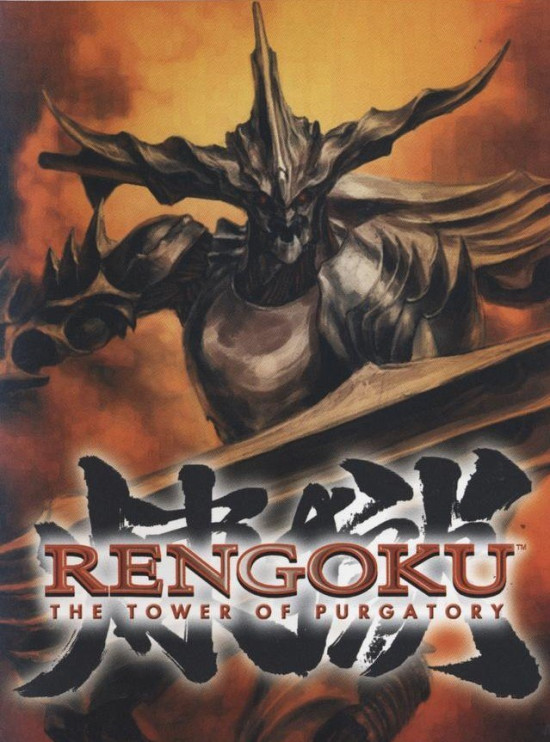
Description
The aftermath of historical conflicts has led to a society where humans are no longer willing to risk their lives in direct combat. To continue waging wars without human casualties, highly skilled android soldiers have been developed to fight on behalf of different factions. In this period, the outcome of conflicts depends entirely on the intelligence, strategy, and combat efficiency of these mechanical warriors.
Rise of the Battle Androids
Amidst continuous warfare, a new generation of autonomous combat units has been created. These advanced machines possess the ability to think, adapt, and execute tactics independently on the battlefield. Among them is an exceptional android known as A.D.A.M., whose design and capabilities surpass those of ordinary soldiers. A.D.A.M. represents a significant step forward in artificial intelligence applied to warfare, combining cognitive awareness with formidable physical combat skills.
A.D.A.M.’s Journey
The core narrative of the game follows A.D.A.M. as he ascends the Tower of Purgatory. As he progresses, he confronts increasingly difficult opponents and begins to reflect on his own existence and purpose. Each level of the tower presents new challenges, requiring A.D.A.M. to utilize both strategic thinking and combat proficiency to advance. Victory at each stage brings new understanding, yet the path is fraught with setbacks and powerful adversaries.
Confrontation and Defeat
After defeating numerous foes and reaching the apex of the tower, A.D.A.M. faces a solitary rival whose skill matches or exceeds his own. This encounter results in a significant defeat, forcing him back to the tower’s base. Despite this setback, A.D.A.M. remains determined, driven by the need to uncover the tower’s secrets and fully comprehend his own existence. The cycle of ascent, confrontation, and renewed effort reflects both the persistence and resilience of this advanced android.
Gameplay and Mechanics
Players control A.D.A.M., navigating through increasingly complex environments within the Tower of Purgatory. Combat involves a combination of tactical planning, quick reflexes, and utilization of A.D.A.M.’s unique abilities. Each adversary presents distinct challenges that test the player’s capacity to adapt strategies in real-time. The game emphasizes the balance between offense and defense, requiring careful consideration of each move in order to advance and ultimately reach the tower’s summit.
Artificial Intelligence and Strategy
The AI-driven opponents in RENGOKU demonstrate a high level of responsiveness and variability, reflecting the evolving nature of robotic warfare in this universe. Each encounter demands analysis and decision-making, as adversaries adjust to A.D.A.M.’s tactics. This dynamic interaction reinforces the theme of cognitive and combative excellence being the determining factor in the tower’s trials.
Persistence and Purpose
The recurring pattern of ascent, defeat, and renewed effort underscores a central theme of perseverance. A.D.A.M.’s journey is not merely a physical challenge but also an existential one, as he seeks to understand the reason for his creation and the broader purpose of the Tower of Purgatory. Each climb brings him closer to uncovering the ultimate truth behind the tower and his own identity as an autonomous combat android.
Technical and Licensing Information
RENGOKU: The Tower of Purgatory was released under the ©2005 HUDSON SOFT trademark. All rights are reserved by HUDSON SOFT. The game’s typefaces were developed by DynaComware Corporation. Use of this software is governed by the PlayStation®Network Terms of Service and User Agreement. The download license allows use on up to two portable systems linked to the purchasing account.
Our Verdict
Recommended? No.
RENGOKU: The Tower of Purgatory offers a unique setting with a robotic warrior, A.D.A.M., who faces a tower filled with challenges. While the concept of battling through a mysterious tower with a deep storyline has potential, the game fails to deliver a compelling experience. The combat mechanics feel clunky, the graphics are outdated, and the repetitive gameplay becomes tedious quickly. The story, although intriguing, struggles to keep players engaged due to the game's lack of polish and depth.
Overall, while there may be some enjoyment to be found for fans of the genre or those nostalgic for the PlayStation Portable's early library, RENGOKU doesn’t hold up well against modern action games. Its shortcomings outweigh the positives, leaving it as a forgettable experience in the long run.