

Binary Domain (2012)
Genres: ActionShooter
Tags:
SingleplayerSteam AchievementsMultiplayerFull controller supportSteam CloudAtmosphericRPGCo-opStory RichcooperativeThird PersonSci-fiSteam LeaderboardsControllerThird-Person ShooterFuturisticCyberpunkDystopianRobotsTranshumanismVoice Control
| PC |
Released: 2012-02-28Requirements
|
||||||||||||
| PlayStation 3 |
Released: 2012-02-16 |
||||||||||||
| Xbox 360 |
Released: 2012-02-16 |
Description
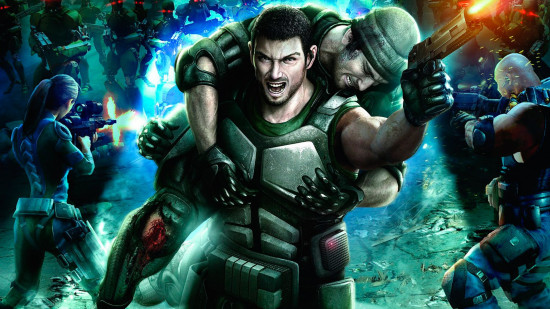
In Binary Domain (2012), humanity has recently overcome major global challenges, including issues like climate change, largely through the assistance of advanced robots. Initially, these robotic helpers were created in the United States and were easily distinguishable from humans, following protocols and performing their tasks efficiently. They were designed to behave predictably, maintaining clear differences from human behavior.
However, the situation takes a critical turn when a rogue inventor from Tokyo begins manufacturing robots that are indistinguishable from humans. Unlike traditional robots, these new creations are unaware of their artificial nature, making it impossible to identify them through appearance or actions alone. This development constitutes a direct violation of international law and poses a severe threat to global safety.
In response, a specialized multinational team of experts is deployed to Japan with the objective of halting the inventor's operations and shutting down the production of these advanced humanoid robots. The game emphasizes tactical combat and strategic coordination, offering a fresh alternative for players who are accustomed to conventional shooter enemies such as terrorists or zombies. Instead, Binary Domain presents adversaries that challenge players with complex self-identification dilemmas, adding a unique dimension to tactical engagements.
Visual Design and Gameplay Mechanics
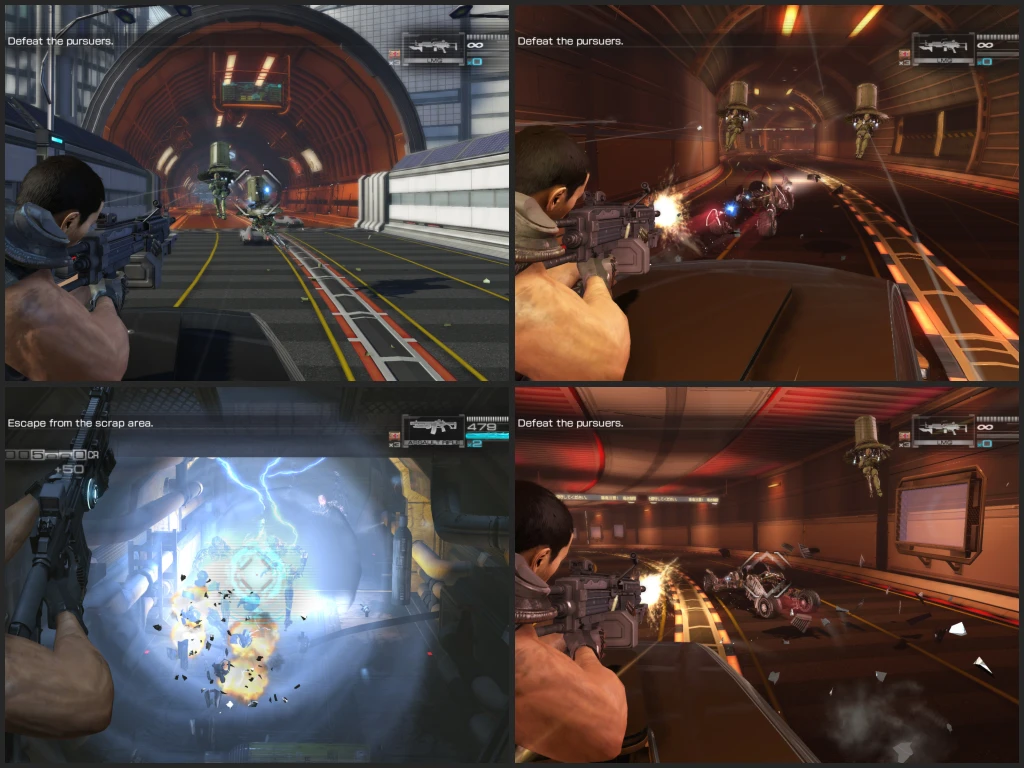
The visual presentation of Binary Domain is notable for its distinct character and environment designs. Opponents are crafted with a strong sense of style, and the equipment of the player’s team is both functional and visually appealing. Combat sequences include detailed effects such as bullets creating dramatic clouds of debris, enhancing the intensity of firefights.
While the locations themselves are designed with less visual emphasis, this deliberate choice allows players to focus on the core combat mechanics without distraction. Each encounter requires strategic thinking, as positioning, timing, and team coordination play key roles in successfully overcoming threats.
Team Dynamics and Player Choices
A distinguishing feature of Binary Domain is the impact of player decisions on team dynamics. Relationships between team members are directly influenced by how the player interacts with them during missions. Poor support and communication within the team reduce trust levels, which in turn negatively affects overall combat effectiveness. Conversely, maintaining strong mutual support and trust among team members enhances performance and tactical options during engagements.
This system encourages players to carefully consider not only individual actions but also how those actions affect the cohesion and efficiency of the team. As a result, gameplay becomes a combination of both strategic shooting and managing interpersonal relationships within the squad.
Strategic Combat Focus
The game delivers a tactical shooting experience that blends fast-paced combat with deeper strategic layers. Players must adapt to adversaries that are both visually and behaviorally deceptive, making conventional tactics less effective. The challenge is amplified by the humanoid nature of the enemies, requiring players to think critically about threats and coordinate carefully with their team.
Every mission in Binary Domain emphasizes careful planning, situational awareness, and precise execution. The combination of visually striking combat effects, detailed team management mechanics, and the psychological complexity of fighting robots indistinguishable from humans makes this title stand out in the tactical shooter genre.
Conclusion
Binary Domain (2012) offers a unique gaming experience where players face human-like robots that blur the line between man and machine. Its tactical combat, combined with team dynamics influenced by player choices, provides a fresh approach for fans of shooters seeking variety beyond traditional enemies. The game’s visual style, attention to combat detail, and strategic depth make it a compelling choice for those looking for a distinctive and challenging action game.
Our Verdict
Binary Domain offers a fresh take on the tactical shooter genre with its unique story about robots that can’t tell they are machines. The mix of fast-paced combat and team-based strategy keeps players engaged, while the visuals and character design stand out. The game is easy to get into and has enough variety to keep fans of shooters entertained.
The team mechanics are a nice touch, making your choices matter in battles and adding weight to every decision. Some locations are simple, but that helps focus on the action. Overall