

R.U.S.E. (2010)

Genres: StrategySimulation
Tags:
Warbrain
| PC |
Released: 2010-07-14 |
| Xbox 360 |
Released: 2010-07-14 |
| PlayStation 3 |
Released: 2010-07-14 |
Description
The Games on Demand edition of R.U.S.E. (2010) offers support for multiple languages, including English, French, Italian, German, Spanish, and Polish. Players interested in detailed instructions can access the complete game manual by visiting the Xbox Marketplace and selecting the “See Game Manual” option.
Gameplay Overview
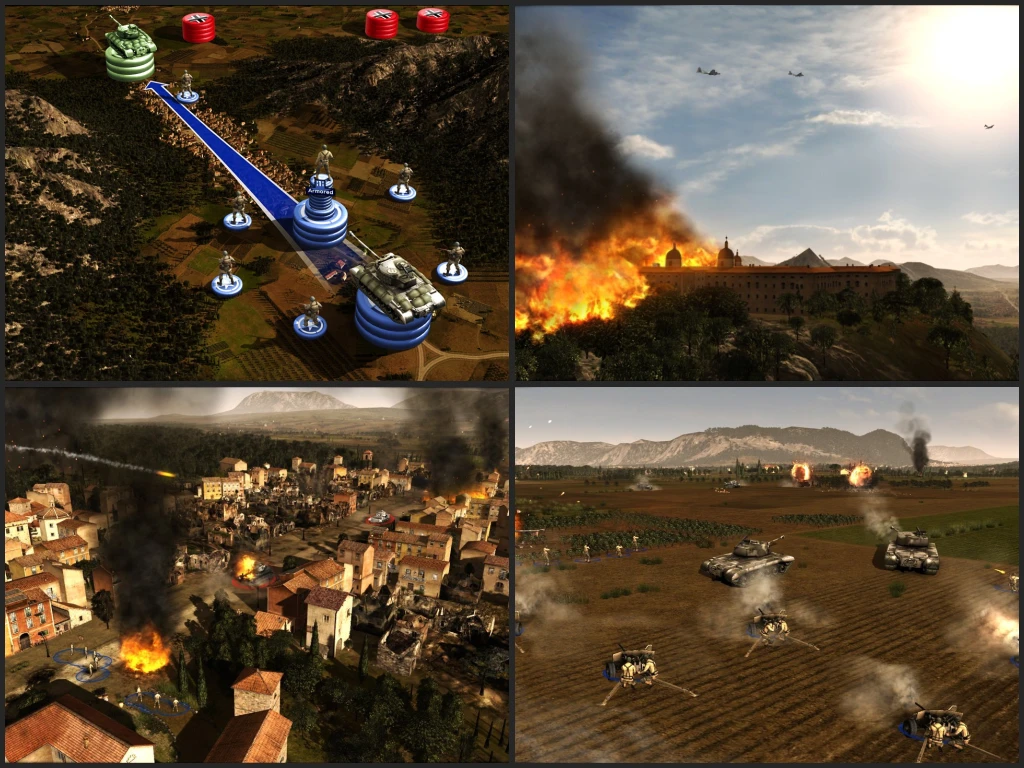
R.U.S.E. introduces an innovative approach to real-time strategy by making deception the central gameplay element. Players are challenged to use their intellect as the primary weapon, engaging in a battle where perception and misdirection are key to achieving victory. The game emphasizes strategic thinking, requiring players to outsmart opponents rather than relying solely on raw military power.
Unique Strategic Features
- Deception Mechanics: Unlike traditional strategy games, R.U.S.E. focuses on misleading the enemy. Players must create false impressions, disguise their intentions, and manipulate battlefield information to gain an advantage.
- Enhanced Depth: By prioritizing deception, the game adds layers of complexity, demanding careful planning and foresight. Players must anticipate enemy reactions and adapt their tactics accordingly.
- First-of-its-Kind Innovation: R.U.S.E. reinvents the strategy genre by incorporating psychological warfare elements that were previously unexplored in this category of games.
Strategic Engagement
Success in R.U.S.E. is measured not only by the destruction of enemy forces but also by the ability to manipulate perception. Players engage in a war where intelligence, timing, and cunning maneuvers are as vital as the number of units deployed. The game challenges traditional strategy gameplay by making mental agility and deception as important as tactical execution.
Player Experience
The game encourages players to experiment with various strategies, testing how different forms of misdirection can affect the outcome of battles. Each match requires careful observation, quick thinking, and an understanding of psychological tactics to anticipate and counter opponent strategies effectively.
Conclusion
R.U.S.E. represents a notable evolution in strategy gaming. By integrating deception as a core mechanic, it expands the traditional boundaries of the genre, offering a richer and more intellectually engaging experience. Players who seek a strategy game that prioritizes tactical ingenuity and psychological maneuvering will find R.U.S.E. to be a compelling and challenging title.