

Lost in a Forest (2015)
Genres: ActionAdventureIndie
Tags:
Singleplayersteam-trading-cardsHorrorComedy
| PC |
Released: 2015-01-26Requirements
|
Description
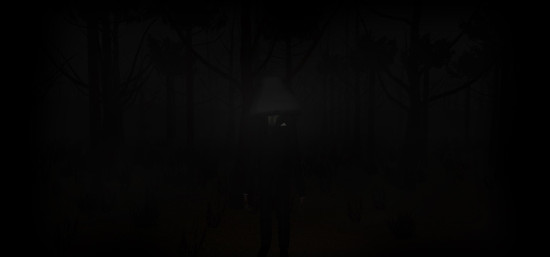
Lost in a Forest, released in 2015, is a survival horror game that takes a distinctive approach by combining parody elements with classic horror mechanics. Unlike traditional horror games where the main strategy is to evade the antagonist, this title introduces a combat component, allowing players to actively defend themselves against the pursuing enemy. Players are no longer limited to hiding or running; they can collect resources, acquire weapons, and fight back to increase their chances of survival.
Gameplay Mechanics
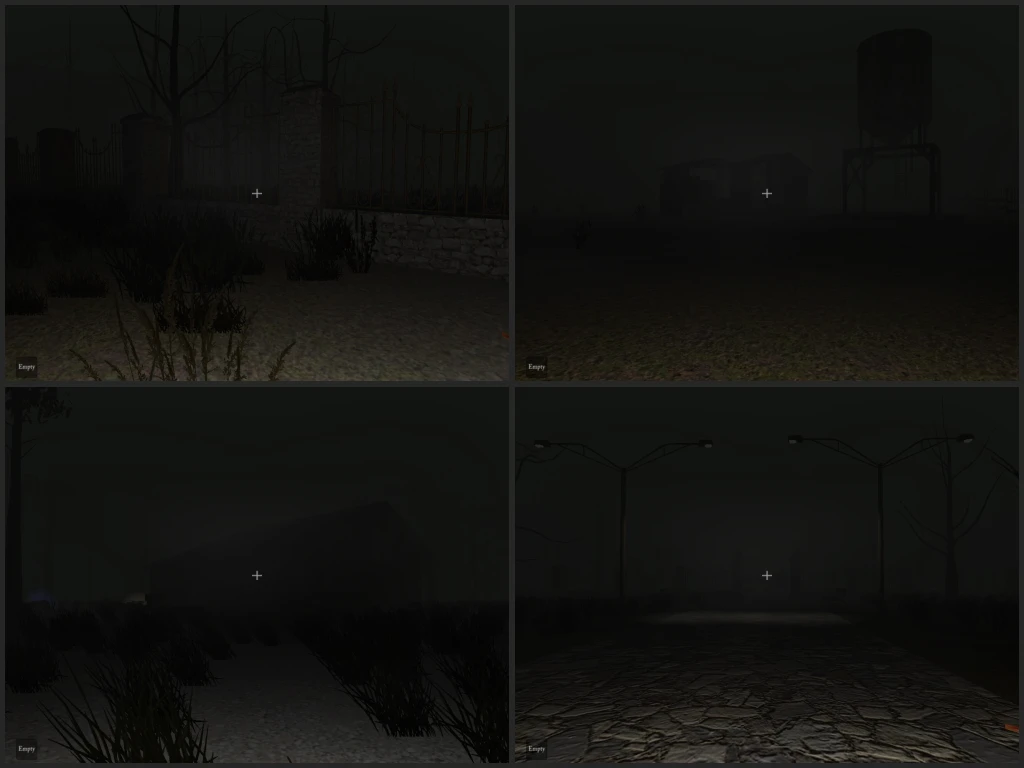
The primary objective of Lost in a Forest remains consistent with standard horror objectives: players must locate critical documents while ensuring their survival. However, the game intensifies the challenge by requiring more careful exploration and tactical decision-making. Players must navigate the forest with caution, as simply following the obvious paths may not lead to success. Strategic use of the in-game compass is crucial to find hidden documents and avoid unnecessary confrontations.
Players are encouraged to avoid prolonged direct eye contact with the enemy, adding a psychological element to the gameplay. This mechanic increases tension and requires players to balance offensive actions with stealth, ensuring that every encounter carries risk and strategy.
Resource Management and Combat
Resource collection is a core component of Lost in a Forest. Players gather money scattered throughout the environment, which can then be used to purchase various weapons and tools. This system allows for customization of combat strategies, enabling players to choose between different offensive options to repel the enemy effectively. The integration of combat into a survival horror framework creates a unique blend of fear and empowerment, giving the player a sense of control that is rarely present in traditional horror games.
Weapon usage is not unlimited, requiring players to manage their resources wisely. Making strategic decisions about when and how to engage the enemy is essential to progress in the game. This approach enhances the tension and ensures that combat is meaningful rather than repetitive or overwhelming.
Exploration and Strategy
Exploration in Lost in a Forest is more demanding than in standard horror games. The forest is filled with hidden areas and subtle paths that require attention and careful observation. Players must utilize the compass effectively to navigate the environment and uncover the necessary documents. Unlike games where the route is linear, this title emphasizes discovery and adaptability, encouraging players to analyze their surroundings thoroughly.
The game’s design rewards attentive and strategic players. Venturing off the main pathways is often necessary to find essential items, creating an experience that is both challenging and engaging. Maintaining situational awareness and using collected weapons wisely are key factors in achieving success.
Conclusion
Lost in a Forest (2015) delivers a distinctive take on the survival horror genre by combining traditional horror elements with parody and active combat. The game emphasizes strategic exploration, careful resource management, and tactical engagement with the enemy. Players must locate important documents, manage money to purchase weapons, and use the compass to navigate the forest efficiently. Avoiding prolonged eye contact with the enemy adds an additional layer of psychological tension. Overall, the game provides a unique, interactive experience that challenges players to think critically and act decisively to survive.