

Planet of the Eyes (2015)
Genres: ActionAdventureIndie
Tags:
SingleplayerSteam AchievementsFull controller supportSteam Cloudsteam-trading-cards2DSteam LeaderboardsShortRobotsPuzzle-Platformer
| PlayStation 4 |
Released: 2017-09-12 |
||||||||||||||
| Xbox One |
Released: 2017-09-12 |
||||||||||||||
| PC |
Released: 2015-08-24Requirements
|
||||||||||||||
| macOS |
Released: 2015-08-24Requirements
|
Description
Overview
Recognized as a finalist for "Best Indie Game" at the Canadian Videogame Awards, Planet of the Eyes presents the story of a service robot stranded on an enigmatic planet. Players are drawn into a world where platforming and puzzle-solving converge, offering an experience enhanced by an original musical composition and fully voiced audio logs. This combination creates a deeply engaging environment that guides the robot through an unfamiliar and intricate landscape.
Gameplay
The gameplay of Planet of the Eyes challenges players with precise platforming mechanics and a series of physics-based puzzles. Quick respawn mechanics ensure minimal downtime upon failure, encouraging experimentation and exploration. Each obstacle requires careful analysis and thoughtful interaction, making each success feel earned and each failure an opportunity to refine strategy. The game balances difficulty with rewarding progression, keeping players engaged from start to finish.
Handcrafted Levels
Every level in Planet of the Eyes is carefully designed to provide a unique combination of challenges and exploration. Puzzle placement and environmental design are meticulously integrated with the overarching narrative, encouraging players to explore every corner. Hidden areas and secrets are strategically embedded to enhance discovery, making thorough examination of the world both necessary and satisfying. This handcrafted approach ensures that each area delivers distinct gameplay experiences while contributing to the larger story.
Visual Style
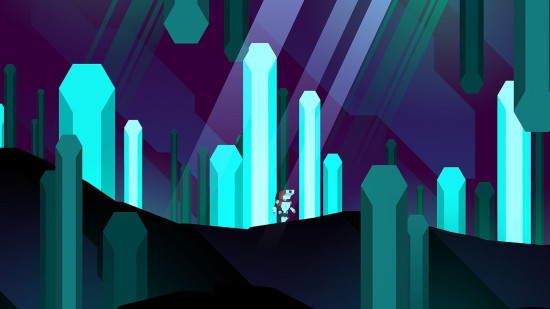
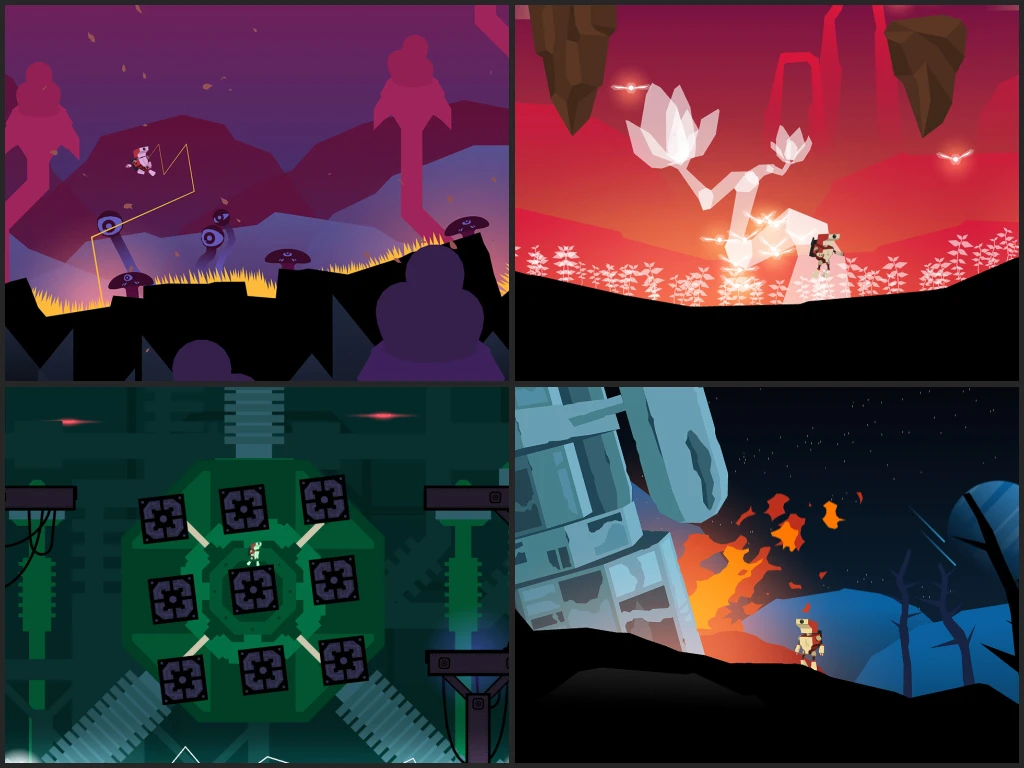
The visual presentation of Planet of the Eyes draws inspiration from retro science fiction, featuring smooth vector graphics and a vibrant color palette. The artwork, created by Vanessa Chia of Cococucumber, emphasizes clarity and style, reinforcing the game’s atmosphere and thematic consistency. This aesthetic choice enhances immersion while providing a unique visual identity that differentiates the game from other indie titles.
Narrative and Audio
The story, written by Will O’Neill, unfolds through in-game vocal narration by Alex Lewis. It explores the journey of the robot as it navigates a mysterious world filled with both peril and discovery. Complementing the narrative, the game features an atmospheric score by John Black, whose composition elevates the sense of tension, curiosity, and intrigue. Together, the narrative and music establish an immersive experience where audio and storytelling reinforce one another, deepening player engagement.
Failure and Experimentation
Planet of the Eyes incorporates more than twelve distinct robot failure animations, each offering a deconstructive and memorable consequence for mistakes. This approach transforms failure into a learning tool and a source of entertainment, motivating players to approach challenges with curiosity and resilience. Each death teaches new interactions, allowing players to refine their approach while maintaining a sense of humor and levity in the face of setbacks.
Conclusion
Combining carefully designed puzzles, a distinctive retro-futuristic visual style, and an immersive audio-narrative experience, Planet of the Eyes delivers a complete platforming adventure. Every element, from handcrafted levels to thoughtful storytelling and unique failure mechanics, works together to create a cohesive and engaging journey for the player. Exploration, experimentation, and attention to detail are central to the gameplay, making this indie title a compelling experience for those seeking a challenging and atmospheric game world.