

Shadow Warrior (1997)
Genres: ActionShooter
Tags:
SingleplayerSteam AchievementsMultiplayerFull controller supportSteam Cloudsteam-trading-cardsFirst-PersonPartial Controller SupportFPSFunnyGoreDifficultClassicComedyViolentFree to PlayRetroAnimeNudityIncludes level editorRemake1990'sachievementsDark HumorNinja
Description
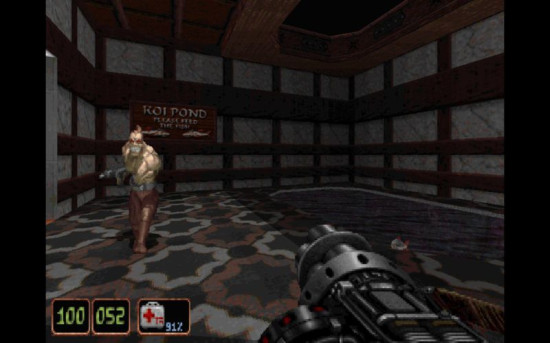
The 1997 release of Shadow Warrior stands as a notable example of the wave of Doom-inspired first-person shooters that defined the 1990s. Developed by the same team behind the iconic Duke Nukem series, Shadow Warrior utilizes a modified version of the Duke Nukem 3D engine, incorporating 3D voxel technology instead of traditional 2D pixel graphics. This approach allowed for a more dynamic and visually engaging gameplay experience while maintaining the fast-paced action typical of the era.
Story and Setting
The narrative centers around Master Zilla, the head of Zilla Enterprises, who aims to dominate Japan with his dark forces. Zilla Enterprises has already established control over every major industry in the country, making them an unstoppable corporate power. Players assume the role of Lo Wang, a skilled bodyguard employed by Zilla Enterprises. Over time, Lo Wang becomes aware of the sinister operations within the company and decides to break free from its influence. However, Master Zilla is unwilling to relinquish control without a fight, creating the central conflict of the game.
Gameplay Mechanics
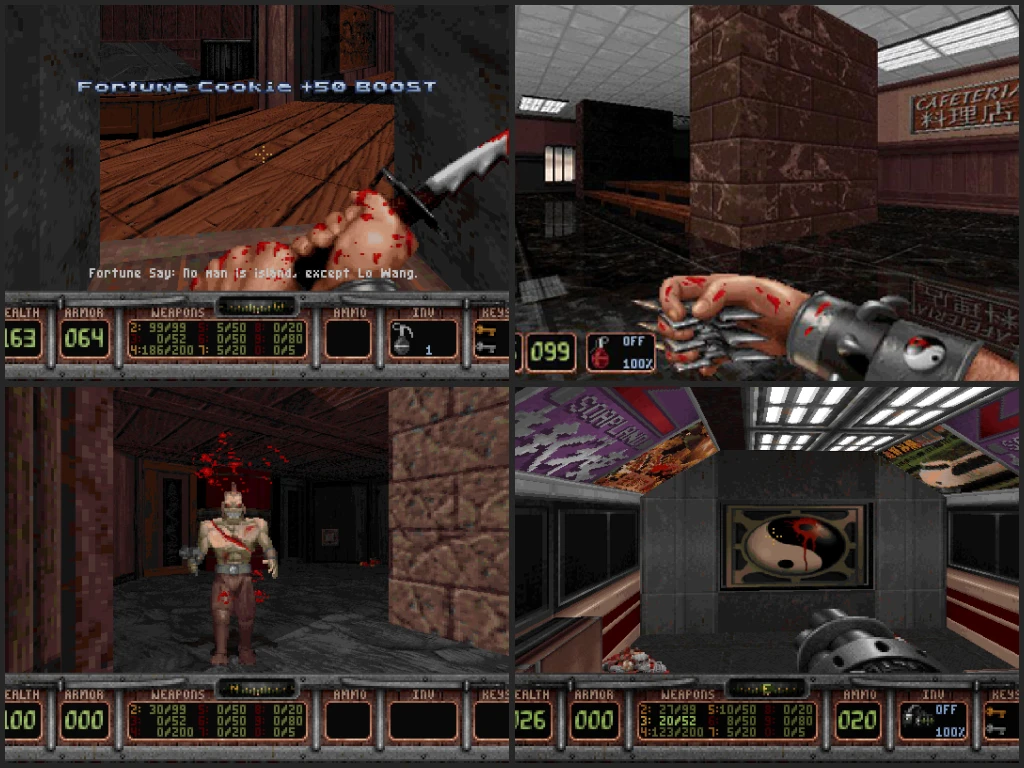
Shadow Warrior retains the core mechanics of Duke Nukem 3D, offering players a combination of exploration, combat, and puzzle-solving. The game features fully three-dimensional environments where players navigate through complex levels, eliminating enemies and overcoming basic environmental challenges. Unlike many shooters of its time, Shadow Warrior integrates Japanese-themed weaponry, allowing players to wield katanas, shurikens, and other traditional armaments alongside standard firearms such as UZIs. This combination of melee and ranged combat provides a distinctive gameplay experience that differentiates it from other shooters of the era.
Weapons and Combat
The arsenal in Shadow Warrior reflects both Japanese culture and conventional first-person shooter conventions. Players can engage enemies using close-range weapons like katanas for precise attacks and shurikens for long-range throws. Firearms, including UZIs and other automatic weapons, are available for rapid enemy suppression. The diverse combat system encourages strategic gameplay, as players must balance melee and ranged attacks depending on the situation. Each weapon offers unique advantages, making combat varied and engaging throughout the game.
Level Design and Exploration
The game’s levels are designed to encourage exploration and interaction with the environment. Players navigate through intricate 3D spaces filled with enemies, hidden areas, and occasional puzzles. These puzzles are generally straightforward but provide necessary breaks in the action and contribute to the progression of the storyline. The voxel-based engine allows for more detailed and flexible level structures compared to standard 2D sprite engines, enhancing the overall immersive experience.
Legacy and Remastered Version
Shadow Warrior has been preserved as a slightly remastered version of the original classic, updating graphics and some gameplay elements while maintaining the core experience. The remaster ensures that modern players can experience the fast-paced action, Japanese-inspired weaponry, and immersive level design that made the original release a standout in the 90s FPS scene. By staying true to its roots, the remastered Shadow Warrior allows both longtime fans and new players to appreciate the game’s distinctive blend of action, exploration, and cultural elements.
Conclusion
Shadow Warrior (1997) is a definitive example of 90s first-person shooter design, combining the successful formula of Duke Nukem with a unique Japanese theme and voxel-based 3D graphics. With its engaging story, diverse combat options, and intricate levels, it remains a significant entry in the history of FPS games. The remastered edition provides an accessible way for modern audiences to experience the intensity and style of this classic title, preserving its legacy as a standout shooter of its era.
Our Verdict
Shadow Warrior (1997) brings little new to the table beyond its setting and slight technical upgrades. While it carries the legacy of Duke Nukem's developer, the game sticks too closely to the formula of Doom-like shooters without offering much innovation. The gameplay is dated, and while the weapons are thematically interesting, the overall experience feels like a step back in time rather than a fresh take on the genre.
If you're a fan of retro first-person shooters or the Duke Nukem style, you might find some nostalgia value here. However, for most players today, Shadow Warrior is hard to recommend unless you're seeking a deep dive into 90s gaming history. It hasn't aged well, and there are far better alternatives that modernize the formula more effectively.