

Medieval II: Total War (2007)
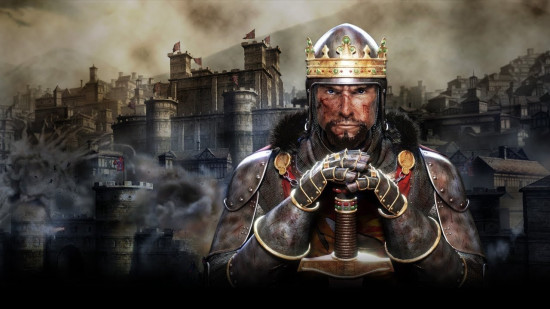
Genres: StrategySimulation
Tags:
SingleplayerMultiplayersteam-trading-cardsGreat SoundtrackClassicSandboxTacticalModdableWarTurn-BasedHistoricalMedievalRTSTurn-Based StrategyMilitaryGrand Strategy4XReal Time Tactics
| PC |
Released: 2007-11-27Requirements
|
||||||||||||||||||||||||||||||||
| Linux |
Released: 2007-11-27Requirements
|
||||||||||||||||||||||||||||||||
| macOS |
Released: 2007-11-27Requirements
|
||||||||||||||||||||||||||||||||
Description
Medieval II: Total War is the continuation of the Medieval: Total War series and represents the fourth installment in the acclaimed Total War franchise. This strategy game is set in the historical period spanning from 1080 to 1530, covering pivotal developments in medieval warfare, religious influence, and political dynamics across Europe, North Africa, and the Middle East.
Gameplay Overview
The game offers two primary modes of play. The first mode, battle mode, allows players to engage in large-scale military conflicts. These battles can be played in multiplayer settings, customized user scenarios, or historically accurate scenarios that recreate famous battles such as the Battle of Arsuf or the Battle of Agincourt. In this mode, players have direct control over units and must apply tactical decision-making to achieve victory.
The second mode, campaign mode, provides a single-player experience focused on building and managing a civilization. In the campaign, players oversee their faction’s military, economic, and social structures on a detailed map. During each turn, players can maneuver armies across the map, manage settlements, and interact with other factions. In combat situations, players have the option to either actively command the battle or allow the game’s AI to calculate the outcome automatically.
Campaign Details
The game features multiple single-player campaigns with varying objectives and durations. The short campaign challenges players to defeat a limited number of enemy factions and gain control of at least 15 territories. The long campaign offers a more extensive experience, tasking players with managing at least 45 territories and securing major cities such as Jerusalem, Granada, Rome, or Constantinople. Each campaign requires strategic planning, resource management, and effective leadership of armies to expand influence and maintain stability across conquered regions.
Strategic Depth
Medieval II: Total War emphasizes a combination of military tactics, economic oversight, and political maneuvering. Players must manage resources, maintain armies, and make diplomatic decisions to strengthen their faction’s position. The game’s intricate system allows for deep engagement with historical contexts, giving players a sense of authentic medieval governance and warfare.
Historical Accuracy
The game incorporates detailed historical elements, including accurate representation of medieval armies, fortifications, and cities. Historical scenarios enable players to participate in renowned battles with authentic troop formations and tactics. This focus on historical fidelity allows players to explore and interact with key events and figures from the medieval period, enhancing both strategic complexity and educational value.
Multiplayer and Customization
Medieval II: Total War includes a robust multiplayer component, allowing players to compete against others in real-time battles or cooperative campaigns. Users can also create custom scenarios to test strategies or reenact historical conflicts. The combination of single-player campaigns and multiplayer battles offers diverse gameplay experiences, ensuring that players can engage with the game in multiple ways according to their preferences.
Conclusion
Medieval II: Total War delivers a comprehensive medieval strategy experience that combines tactical battlefield management, strategic campaign planning, and historical authenticity. With expansive maps, multiple campaign options, and detailed combat mechanics, the game challenges players to master warfare, diplomacy, and resource management across Europe, North Africa, and the Middle East from 1080 to 1530. Its depth and variety make it a significant entry in the Total War series, appealing to both strategy enthusiasts and history-focused gamers.
Our Verdict
If you enjoy strategy and history, this game is a must-play. The mix of epic battles and deep campaign management keeps you engaged for hours. You get to lead armies, manage your cities, and make tough political choices across a huge map.
The historical battles are exciting and well-crafted, giving a real sense of medieval warfare. The game can be challenging, but it rewards planning and smart tactics. Multiplayer battles also add extra fun if you want to test your skills against friends.
Overall, Medieval II: Total War is highly recommended for anyone who likes strategy games and history. It's complex but very satisfying, and it still holds up even years after its release.