

Strange Night (2016)
Genres: Indie
Tags:
SingleplayerFirst-PersonHorrorDark
| PC |
Released: 2016-07-26Requirements
|
Description
Strange Night is a first-person psychological horror game that places players in the role of a night security officer tasked with monitoring a series of cameras while performing periodic rounds. The game opens with a mysterious man hiring a night security firm to provide services in his apartment, setting the stage for an unsettling and suspenseful experience. Players are immediately confronted with an environment filled with fear and the potential for psychological instability, as the seemingly ordinary assignment quickly reveals an underlying sense of madness and danger.
Gameplay and Mechanics
The core gameplay revolves around the strategic use of surveillance cameras to keep track of various locations within the apartment. Players must actively switch between camera feeds, checking for unusual activity and ensuring that no threats go unnoticed. In addition to monitoring the cameras, it is necessary to conduct scheduled rounds throughout the building, blending moments of observation with movement-based tension. The combination of stationary monitoring and mobile patrols creates a constant sense of vigilance and anticipation.
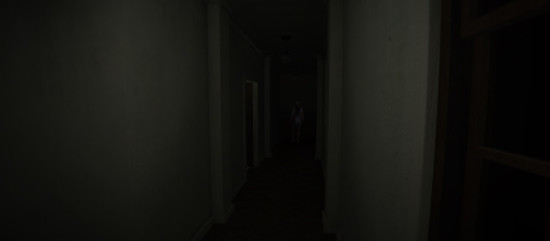
The game draws clear inspiration from the atmospheric design of P.T., emphasizing eerie environments, subtle audio cues, and a sense of dread that permeates every area of the apartment. This design choice enhances immersion, requiring players to remain attentive to their surroundings and react quickly to unexpected events. Additionally, the camera-based mechanics introduce elements reminiscent of the Five Nights at Freddy’s series, creating intermittent bursts of high tension and suspense as unseen threats emerge.
Atmosphere and Experience
Strange Night is structured to function only during nighttime hours, specifically from 10:00 PM to 7:00 AM, in order to maximize the psychological impact and create a more realistic and immersive user experience. The game’s environments are designed to evoke a feeling of unease, with dim lighting, shadowed corners, and an overall oppressive ambiance that intensifies the horror elements. Players must navigate both the physical space of the apartment and the mental challenges posed by uncertainty and fear, combining strategic thinking with the management of anxiety and anticipation.
The setting emphasizes isolation, with the player often alone in a vast, foreboding apartment complex. The mysterious employer, whose motives remain unclear, adds an additional layer of tension, prompting players to question the reality of their situation. Through careful observation and disciplined routine, players attempt to maintain control over their environment, but the game continually challenges them with unpredictable events that test both nerves and decision-making skills.
Strategic Observation and Threat Management
Success in Strange Night requires a combination of careful planning, quick reflexes, and consistent attention to detail. The surveillance system is integral to gameplay, as it allows players to detect subtle movements or anomalies that may indicate impending danger. Conducting rounds while monitoring multiple camera feeds introduces a complex multitasking challenge, keeping players engaged and alert. The game’s mechanics demand constant vigilance, making each night a tense and unpredictable experience.
Psychological horror is reinforced through the use of auditory and visual cues, which signal the presence of unseen threats or abnormal activity. Players must interpret these signals and respond appropriately to prevent escalation. The balance between observation, movement, and reaction creates a dynamic gameplay loop that sustains tension throughout the experience.
Inspiration and Design
The design of Strange Night reflects a deliberate focus on psychological intensity rather than overt gore or jump scares. Drawing inspiration from P.T., the game emphasizes environmental storytelling, subtle hints, and a pervasive sense of unease. The integration of camera monitoring mechanics introduces additional layers of strategic thinking and risk management, echoing the suspense-driven gameplay found in FNAF. This combination results in a uniquely immersive experience that challenges players both mentally and emotionally.
Players are encouraged to explore the apartment while maintaining awareness of the ongoing surveillance, creating a continuous interplay between exploration and monitoring. Each session is limited to nighttime hours to reinforce immersion and heighten the sense of vulnerability. By restricting gameplay to these hours, the developers ensure that players encounter the intended atmosphere of tension, fear, and suspense.
Conclusion
Strange Night (2016) offers a meticulous blend of first-person exploration, camera surveillance, and psychological horror. Players engage with a mysterious environment filled with hidden threats and unpredictable events, requiring strategic observation, careful planning, and constant vigilance. Inspired by the atmospheric tension of P.T. and the suspenseful camera-based mechanics of FNAF, the game delivers a concentrated experience of fear and anticipation. The nighttime-only gameplay enhances immersion, ensuring that every moment within the apartment is charged with suspense and psychological intensity. Strange Night challenges players to confront fear, manage uncertainty, and navigate a space where every sound and shadow may conceal a threat.
Our Verdict
Strange Night is a tense and eerie experience that will keep you on edge. Its mix of camera monitoring and making rounds creates constant suspense, and the atmosphere is genuinely unsettling. Fans of psychological horror and games like P.T. or FNAF will find something to enjoy here.
However, the game’s limited play hours from 10 PM to 7 AM may feel restrictive, and the slow pace can test patience. Still, the sense of fear and mystery is strong enough to make it worth trying for horror enthusiasts.
Overall, we recommend Strange Night if you like immersive, creepy games that build tension slowly. It’s not for everyone, but horror fans will likely appreciate the unique atmosphere and scares.