

Tomb Raider IV: The Last Revelation (1999)
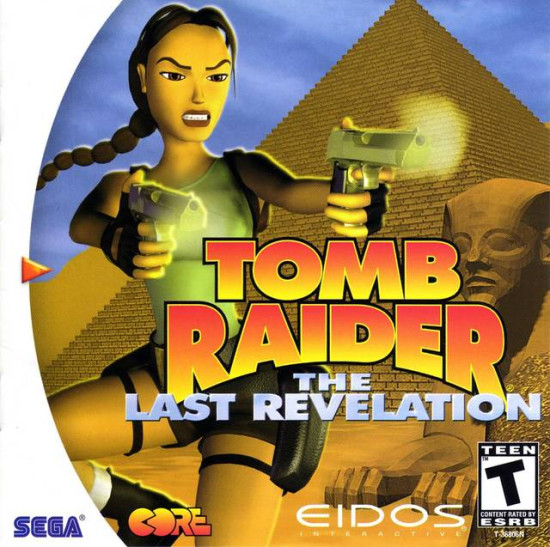
Genres: ActionShooterAdventurePuzzle
Tags:
SingleplayerThird PersonClassicFemale ProtagonistAction-AdventureThird-Person ShooterLara Croft
| PC |
Released: 1999-10-31Requirements
|
||||||||||||||
| Dreamcast |
Released: 1999-10-31 |
||||||||||||||
| Classic Macintosh |
Released: 1999-10-31 |
||||||||||||||
| PlayStation |
Released: 1999-10-31 |
Developers
| Sony Interactive Entertainment |
| Core Design |
Publishers
| Square Enix |
| Capcom |
| Eidos Interactive |
Description
Overview
Tomb Raider IV: The Last Revelation is an action-adventure video game created by Core Design, marking the fourth installment in the iconic Tomb Raider franchise. Building upon the foundations established by its predecessors, this title continues to follow the exploits of the skilled archaeologist Lara Croft as she embarks on dangerous quests around the world, combining exploration, puzzle-solving, and combat in a detailed 3D environment.
Storyline
The narrative begins with a younger Lara Croft journeying to Cambodia, accompanied by Professor Werner Von Croy, with the mission of locating a mysterious artifact called the Iris. During the expedition, a tragic accident results in the death of Professor Von Croy, forcing Lara to return to Great Britain. Fifteen years later, Lara's adventures lead her to an Egyptian tomb where she inadvertently uncovers the resting place of the ancient god Set. Her actions accidentally awaken the powerful deity, setting the stage for a critical mission: Lara must restore Set to his tomb to prevent catastrophic consequences and avert an impending apocalypse.
Gameplay Mechanics
The core gameplay of The Last Revelation adheres to the traditional Tomb Raider formula, emphasizing exploration, item collection, environmental navigation, and combat against enemies. Players guide Lara through intricately designed levels, where she must solve puzzles, avoid hazards, and confront adversaries using both weapons and agility-based maneuvers.
This installment introduces significant gameplay enhancements compared to previous entries. Lara gains the ability to swing on ropes, allowing her to cross wide gaps and pits. She can also climb vertical pipes to access higher areas and perform ledge-shimming to traverse narrow edges. The inventory system has been redesigned from a circular interface to a linear layout, displaying all items in a horizontal sequence for easier management.
Players now have access to a compass, which functions primarily to enter cheat codes or assist in solving a specific puzzle within the game. Additionally, items collected throughout the adventure can be combined to create solutions for challenges encountered during exploration. These changes provide increased flexibility in problem-solving and expand the ways players interact with the environment.
Exploration and Challenges
Exploration remains central to the gameplay experience. Lara must meticulously navigate diverse environments, ranging from Egyptian tombs to outdoor ruins, uncovering hidden items and secret passages. Each level presents unique challenges, including traps, environmental hazards, and enemy encounters, requiring both strategic thinking and precise execution of movement and combat techniques.
The game emphasizes skillful navigation, using newly added maneuvers such as rope swings, pipe climbs, and ledge traversals to create dynamic exploration opportunities. Players must carefully assess the surroundings to determine the correct paths and solve complex puzzles, often combining inventory items to unlock new areas or progress through obstacles. This layered approach to gameplay ensures a balance of action, strategy, and problem-solving throughout the adventure.
Combat and Interaction
Combat in The Last Revelation requires both timing and tactical use of Lara's weapons and environment. Enemies vary in type and behavior, demanding that players adapt their strategies for each encounter. Lara’s mobility and agility are integral to combat success, as dodging attacks, using environmental advantages, and combining items can influence the outcome of encounters.
The game encourages interaction with the environment not only for combat but also for exploration and puzzle resolution. Objects can be manipulated, moved, or combined to uncover secrets, progress in levels, or neutralize hazards. This emphasis on environmental interaction deepens the immersive experience, making the player’s engagement with the game world a critical component of overall success.
Visuals and Design
Graphically, the game continues the series’ focus on detailed 3D environments, featuring expansive tombs, ancient ruins, and varied landscapes. The level design balances aesthetic appeal with functional gameplay, providing visually distinct areas that also serve as challenging puzzles and navigation routes. Lighting, textures, and architectural elements enhance the realism of the game world, while careful design ensures that each environment supports the player’s progression and strategic planning.
Summary
Tomb Raider IV: The Last Revelation advances the series with its engaging combination of exploration, combat, and puzzle-solving, enriched by new gameplay mechanics such as rope swings, pipe climbs, ledge-shimming, and a linear inventory system. Its storyline continues Lara Croft’s adventures, presenting a high-stakes mission to prevent the awakening god Set from causing global catastrophe. With improved environmental interaction, tactical combat, and thoughtful level design, the game delivers a comprehensive action-adventure experience that expands on the franchise’s established formula while offering innovative features for both exploration and gameplay strategy.
Our Verdict
Verdict: Tomb Raider IV: The Last Revelation offers a solid experience for fans of the series but might