

Lionheart: Legacy of the Crusader (2003)
Genres: AdventureRPG
Tags:
SingleplayerRPGClassicViolentrole-playing
| PC |
Released: 2017-03-15Requirements
|
Description
Black Isle Studios presents a distinctive and award-winning role-playing experience with Lionheart: Legacy of the Crusader. Set in an alternate 12th century, the game depicts a world where a supernatural disaster has permanently altered reality. This catastrophic event released spirits and unleashed potent magic, reshaping medieval Europe and creating a realm where mystical forces and human ambition collide. Players enter this transformed world as individuals seeking survival, power, and purpose amid the chaos.
World and Setting
The game situates players in a medieval Europe profoundly affected by magic. Ordinary citizens view magical phenomena with suspicion and fear, believing such powers to be the work of evil spirits or demonic entities. In response to the perceived threat of magic, the Inquisition emerged as a dominant authority, exercising strict control over the populace. Their influence spans much of civilized Europe, and they are both revered and feared for their relentless pursuit of heretical wizards and magical beings. Within this environment, players must navigate a society where allegiance, knowledge, and strength determine survival.
Character Creation and Factions
Players have the option to create a unique champion by selecting from four distinct races: Feralkin, Sylvant, Demonkin, or Human Pureblood. Each choice impacts gameplay and interaction within the world. Additionally, players align themselves with one of three major factions: the Knights Templar, the Inquisition, or the Wielders. These affiliations influence story progression, relationships with non-player characters, and access to resources, allowing for varied strategic and role-playing opportunities.
Exploration and Encounters
The game encourages extensive exploration of a 16th century Europe altered by magical forces. Players encounter notable historical figures who have been integrated into this altered timeline, including Leonardo da Vinci, Galileo Galilei, and William Shakespeare. These interactions provide a unique blend of history and fantasy, offering opportunities for quests, dialogue, and the acquisition of rare knowledge or items. The setting is rich with cities, villages, and wilderness locations, each populated with unique challenges, hostile entities, and potential allies.
Gameplay and Objectives
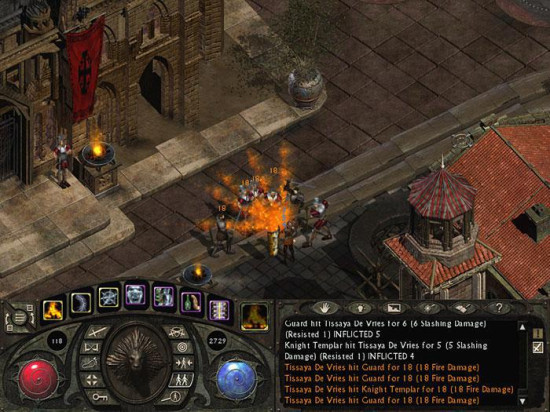
In Lionheart: Legacy of the Crusader, players are tasked with building alliances, engaging in combat, and navigating political and magical landscapes. Strategic decision-making is central, as choices affect the character’s development, faction relations, and the overall narrative. Combat systems integrate both traditional weapons and magical abilities, allowing for multiple approaches to encounters. Players must also solve problems, negotiate with factions, and manage resources to succeed in a world where power struggles and supernatural threats are constant.
Unique Features
- Original narrative set in an alternate historical timeline.
- Playable races: Feralkin, Sylvant, Demonkin, Human Pureblood.
- Faction choices: Knights Templar, Inquisition, Wielders.
- Historical figures incorporated into a magical setting, including Leonardo da Vinci and Galileo Galilei.
- Combination of exploration, tactical combat, and role-playing decisions.
Lionheart: Legacy of the Crusader is recognized as one of the most remarkable and often underappreciated role-playing games, offering a complex and immersive experience for players who seek a fusion of historical context and magical adventure. Every decision, from character creation to faction allegiance, directly shapes the unfolding story, ensuring that each playthrough provides a unique path and challenges.
Our Verdict
Lionheart: Legacy of the Crusader (2003) is a classic RPG that offers a unique twist on medieval Europe, blending magic, history, and an alternate timeline. Set in the 12th century, the game’s story draws you into a world of supernatural conflict, where spirits roam and power struggles dominate. The mix of history with characters like Leonardo da Vinci and Galileo adds an interesting layer of depth to the game. If you enjoy RPGs with rich lore, strategic combat, and moral choices, this game offers a captivating experience.
However, despite its intriguing premise, the gameplay and mechanics can feel a bit dated for modern players. The combat system might not appeal to those looking for fast-paced action, and the story can sometimes feel repetitive. While it’s a hidden gem for RPG enthusiasts, those unfamiliar with older titles may find it hard to get into. Overall, we recommend it to fans of classic RPGs who are ready to embrace its slower pace and older design.