

Limbo (2010)
Genres: ActionAdventureIndiePuzzlePlatformer
Tags:
SingleplayerFull controller supportAtmospheric2DHorrorDifficultAction-AdventurePixel GraphicsControllerDarkcontroller supportShortDark FantasyPhysicsCinematiccombatSide ScrollerLinearSurrealPuzzle-PlatformerFamily SharingMinimalistNoir2D Fighter2D Platformer2D-платформер2D-файтинг
| PC |
Released: 2024-11-01Requirements
|
||||||||||||
| Android |
Released: 2010-07-21Requirements
|
||||||||||||
| PS Vita |
Released: 2010-07-21 |
||||||||||||
| PlayStation 4 |
Released: 2010-07-21 |
||||||||||||
| PlayStation 3 |
Released: 2010-07-21 |
||||||||||||
| Xbox 360 |
Released: 2010-07-21 |
||||||||||||
| Linux |
Released: 2010-07-21Requirements
|
||||||||||||
| macOS |
Released: 2010-07-21Requirements
|
||||||||||||
| iOS |
Released: 2010-07-21Requirements
|
||||||||||||
| Xbox One |
Released: 2010-07-21 |
||||||||||||
| Nintendo Switch |
Released: 2010-07-21 |
||||||||||||
Description
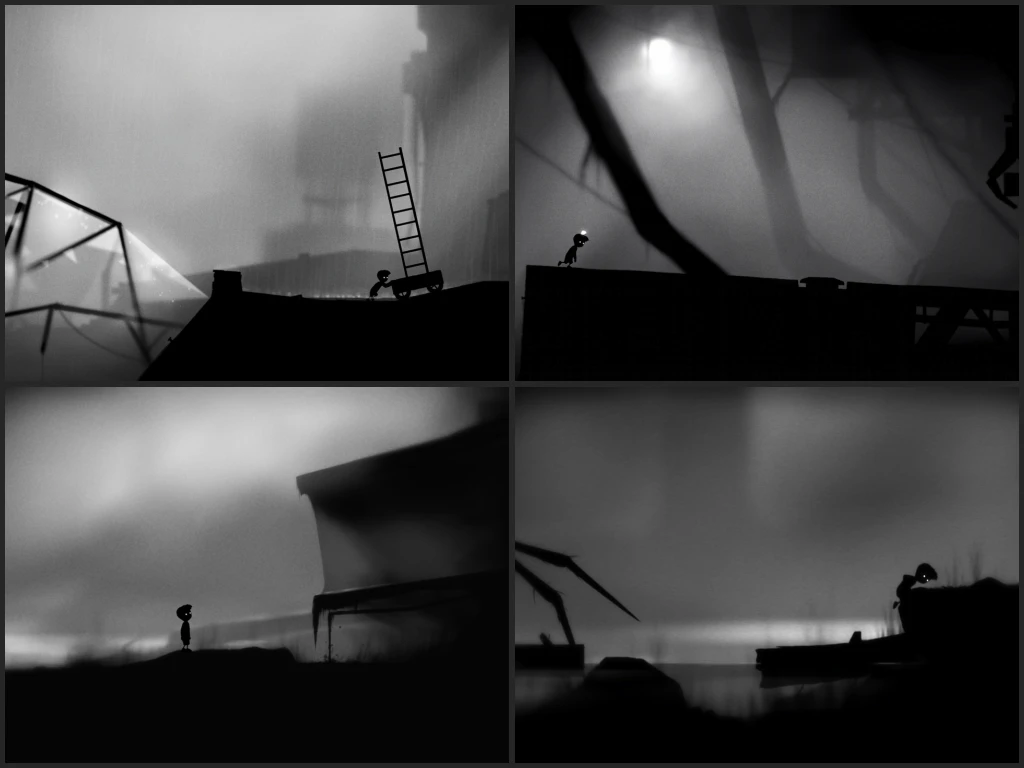
Limbo is a renowned 2D puzzle-platformer that immerses players in an eerie and solitary environment. The game revolves around guiding an unnamed protagonist through a mysterious world, where every step could be his last. Its minimalist approach to visuals and gameplay creates a sense of isolation that adds depth to the experience.
Set in a haunting world of monochrome hues, Limbo presents a dangerous and hostile landscape, where every challenge could result in instant death. Despite this, the game offers a fair checkpoint system that ensures players are not overly frustrated by repeated failure. The simplicity of its controls and mechanics makes it easy for anyone to pick up, but the challenging puzzles require careful thought and precision to solve.
Minimalistic Art Design and Challenging Gameplay
The most striking feature of Limbo is its stark black-and-white aesthetic. The lack of color contributes to the game’s ominous and foreboding tone. Every living thing in the game is depicted with exaggerated, cartoony proportions, but the absence of detailed features makes the environment feel all the more dangerous and unpredictable. The world is left open to interpretation, showing only what is immediately in front of the player, but leaving much of it a mystery.
While the visual design may be minimalist, it enhances the overall atmosphere. The simplicity of the environments makes it easier to distinguish elements that are crucial for solving puzzles from those that could lead to death. The game's intuitive design ensures that players instinctively know where to go and what to do next. It may be monochrome, but the interaction between the protagonist and the environment is clear and natural.
Atmosphere and Sound Design: Subtle Horror Elements
Limbo doesn’t rely on the usual horror game tropes to create tension. Instead, it uses atmosphere and sound design to evoke a sense of unease and dread. There are no jump scares or over-the-top horror elements; instead, the sense of horror comes from the eerie silence and the ever-present danger lurking in the environment. The subtle use of sound contributes to the unsettling feeling, where even the smallest sound can feel ominous in the otherwise silent world.
Throughout the game, the player is never explicitly told what’s happening. There is no narrative to guide them; instead, the story unfolds through visual cues and environmental storytelling. This lack of exposition adds to the mysterious allure of Limbo, allowing players to interpret the events in their own way. It’s an experience that plays with ambiguity and leaves a lasting impression.
Short but Impactful: A Thought-Provoking Conclusion
Although Limbo is a relatively short game, its impact on the player is profound. The game’s conclusion is abrupt, offering no clear resolution, which has left many players pondering the events they experienced. However, this ending serves to reinforce the game’s themes of isolation and uncertainty, leaving the player with a sense of lingering questions that are never fully answered. In this sense, Limbo is a memorable experience that sticks with you long after the credits roll.
Despite its short length and somewhat open-ended conclusion, Limbo has earned its place as one of the most influential games in the puzzle-platformer and indie game genres. Its blend of atmosphere, gameplay, and design elements creates a unique experience that has left a lasting legacy in the gaming world.
Our Verdict
Limbo is a game you should play. It’s simple to learn but keeps you on edge with its dark, mysterious world. Every moment feels tense, and the puzzles are smart without being unfair. The black-and-white style makes everything feel eerie and unique, pulling you into the game’s mood from start to finish.
The controls are easy, and the game guides you naturally without holding your hand. Each challenge feels satisfying to overcome, and the sound and visuals create an unforgettable atmosphere. Even though it’s short, Limbo leaves a lasting impression and shows what a puzzle-platformer can achieve.
If you enjoy thoughtful puzzles, moody worlds, and a game that sticks in your mind, Limbo is worth your time. It’s clear, clever, and captivating—definitely a recommendation.